Pet Approval Calculator
How to use this tool
Select the factors you've prepared for based on the article. The calculator will estimate your approval probability and provide tailored advice.
Your Preparation Level
Your Score
What to do next
Getting a dog while renting isn’t impossible-but it’s not always easy either. Landlords often say no before you even ask, thanks to bad experiences with previous tenants. But if you approach this the right way, you can turn a flat-out rejection into a yes. It’s not about begging. It’s about proving you’re the kind of tenant who makes pets work, not problems.
Show you’re responsible before you even mention the dog
Most landlords worry about damage, noise, or odors. The best way to quiet those fears is to show you’ve already taken steps to prevent them. Start by cleaning your current space. Deep clean carpets, wash walls, fix any small damages, and make sure the place smells fresh. If you’ve ever had a pet before-even a cat-mention it. Say how you handled accidents, trained the animal, and kept the place in good shape. If you’ve never had a pet, don’t fake it. Instead, talk about how you’ll handle it: regular grooming, scheduled walks, and training classes.
Bring proof. A certificate from a dog obedience class, a letter from your vet saying your dog is up to date on shots and neutered, or even a video of your dog calmly sitting while you’re away. These aren’t just nice-to-haves-they’re trust builders.
Write a real pet application, not a plea
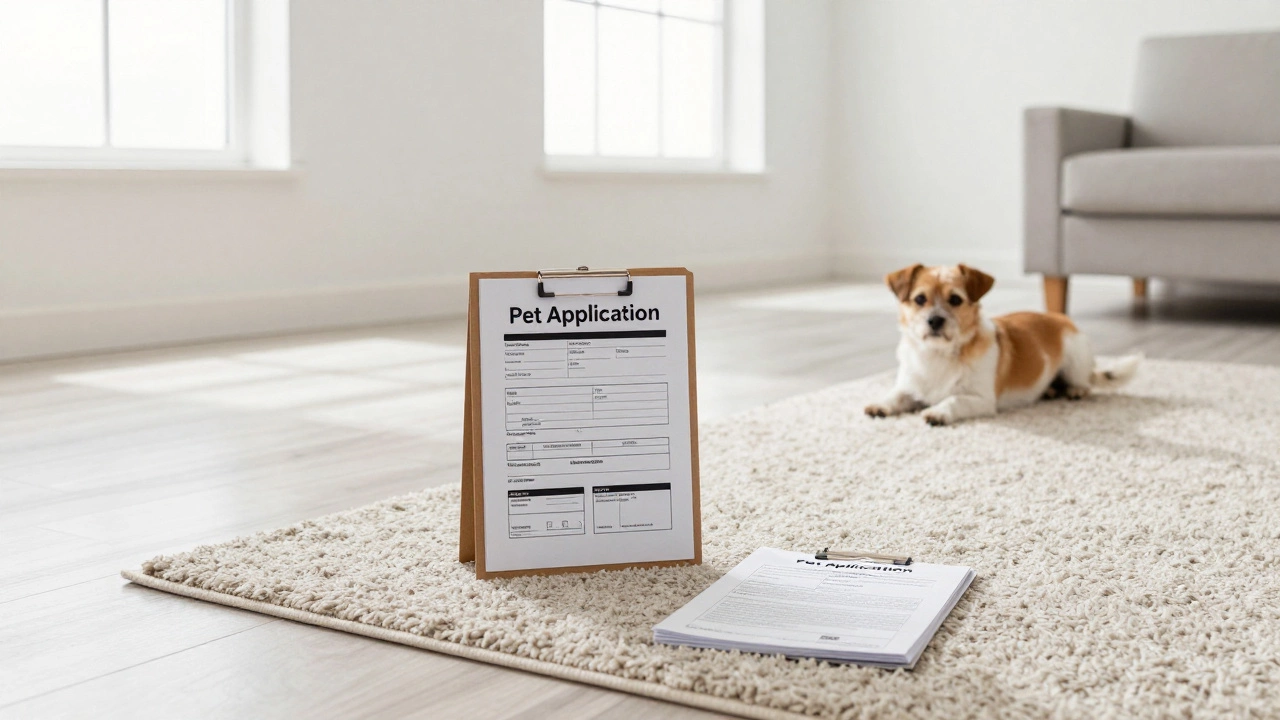
Don’t just say, “I really want a dog.” That’s what everyone says. Instead, give your landlord a formal pet application. Include:
- Your dog’s breed, size, age, and temperament
- Proof of vaccinations and microchipping
- A plan for exercise (daily walks, nearby park access)
- How you’ll handle noise (crates, soundproofing, training)
- Your rental history-no late payments, no complaints
This isn’t fluff. It’s a business proposal. Landlords see dozens of requests. Yours needs to stand out because it looks professional, not emotional.
Offer to pay extra-strategically
In Auckland, many landlords charge a pet bond or monthly pet fee. You’re not being greedy if you offer this. In fact, it shows you understand their risk. Suggest a one-time pet bond of $300-$500 (refundable if no damage) or a small monthly fee of $15-$25. This isn’t about money-it’s about peace of mind. Landlords know that a well-managed pet rarely causes damage, but they need to feel protected.
Some landlords will say no to fees. That’s okay. Offer something else: a longer lease. Commit to 18 or 24 months instead of 12. That gives them stability. And if you’re willing to sign a longer term, they’re more likely to say yes to the dog.
Find out what pets are allowed in the building
Not every rental allows pets. Some buildings have strict rules, especially older ones or those with shared walls. Ask if there’s a pet policy in the tenancy agreement. If it says “no pets,” don’t push. Instead, ask if they’ve ever made an exception. Maybe they allowed a small dog before. Maybe they’re open to one now if you’re serious.
If you’re looking at a new place, ask before you sign. Don’t wait until you’ve got the keys. Some property managers are pet-friendly and even list “dog-friendly” as a feature. Search for listings that say “pets considered” or “pet-friendly upon approval.” That’s your sweet spot.
Use real-life examples
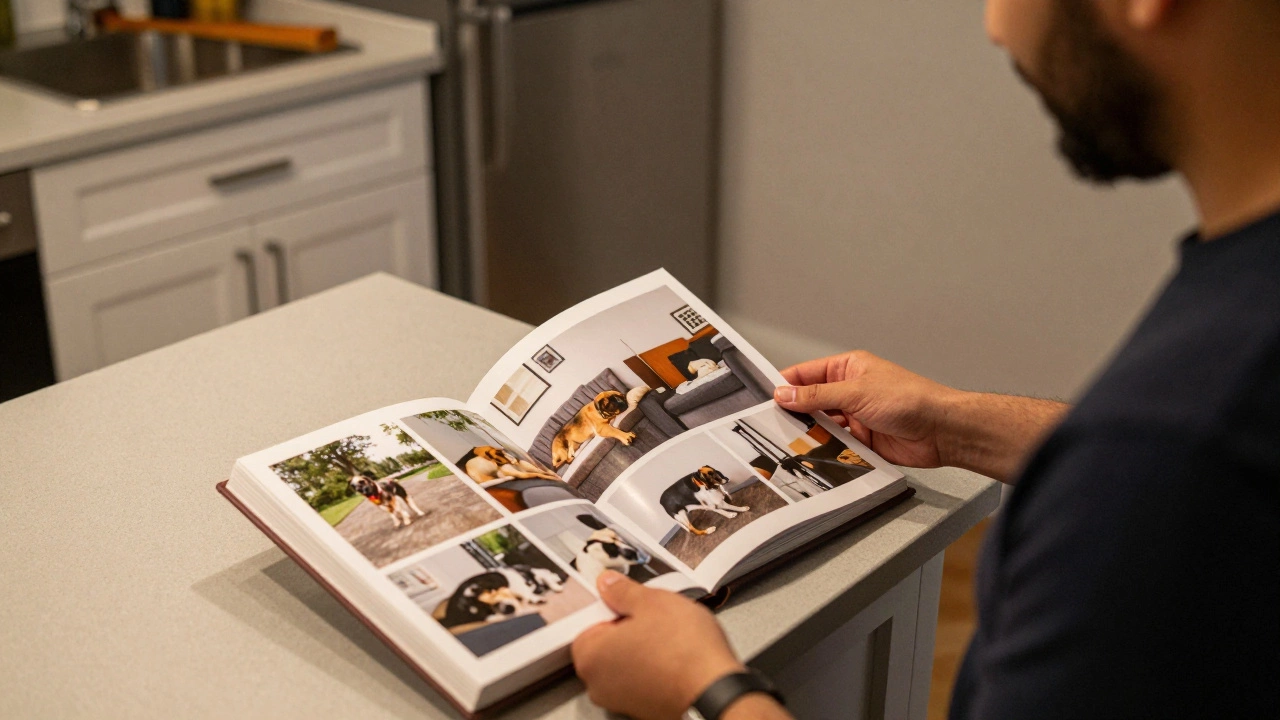
Landlords aren’t robots. They remember stories. Tell them about the dog next door that never barked, never scratched the door, and was always clean. Or mention how your friend’s dog lived in a one-bedroom flat for three years and left no damage. Bring photos. Show the dog sleeping quietly on a rug. Show the clean yard. Show the leash and collar. Make it visual.
One tenant in Ponsonby brought a printed photo album of her dog-puppies, vet visits, walks in the park, naps on the sofa. The landlord kept it on the kitchen counter. She got approved that day.
Be ready to compromise
Landlords might say yes-but with conditions. Maybe the dog can’t be left alone for more than 4 hours. Maybe you need to install a pet door. Maybe you have to use a specific type of flooring. Don’t argue. Say, “I can do that.”
Some landlords will ask for a pet deposit. Others will want to meet the dog first. Bring the dog to the viewing. Let them see how calm it is. Let them pet it. Let them hear it bark once-then show how you calm it down. This isn’t manipulation. It’s transparency.

Know the law
In New Zealand, landlords can refuse pets-but they can’t refuse without a valid reason. The Residential Tenancies Act says they must act reasonably. If they say no just because “we don’t like dogs,” that’s not enough. If they say no because of past damage, you can counter with your plan to prevent it.
Also, service animals and emotional support animals have different rules. If your dog is certified for medical reasons, you have stronger rights. But even if it’s just a family pet, you still have the right to ask-and to negotiate.
What if they say no?
Don’t give up. Ask why. Maybe it’s about noise. Maybe it’s about size. If they say, “We’ve had bad experiences with large dogs,” offer a small breed. If they say, “Dogs scratch floors,” promise to use rugs and nail trims. Sometimes, a simple change in your request gets you a yes.
If they still say no, look for pet-friendly buildings. In Auckland, areas like Newmarket, Mt Eden, and Takapuna have more landlords who allow pets. Use real estate sites that filter for “pets allowed.” You’ll find places where the answer is already yes.
Make it a win-win
Think like a landlord. They want reliable tenants who pay on time, take care of the property, and stay long-term. A well-trained dog can make you more likely to stay. You’re quieter. You’re less likely to move. You’re more likely to report maintenance issues early. That’s valuable.
So don’t just ask for permission. Show them how your dog makes you a better tenant.