Pet-Friendly Rent Premium Calculator
Current Rent
Enter your current rental price to calculate potential benefits
Results
+ per month
Based on 12% rent premium for pet-friendly unitsAnnual Premium:
31% faster vacancy rate vs. non-pet-friendly units (2025 data)
More than half of New Zealand households have a pet. Yet, many renters still face rules that ban dogs, cats, or even hamsters from their apartments. It’s 2026. We know pets aren’t just animals-they’re family. And denying people the right to live with their pets in apartments doesn’t just hurt pet owners. It hurts communities, mental health, and housing fairness.
Pets Reduce Loneliness and Stress
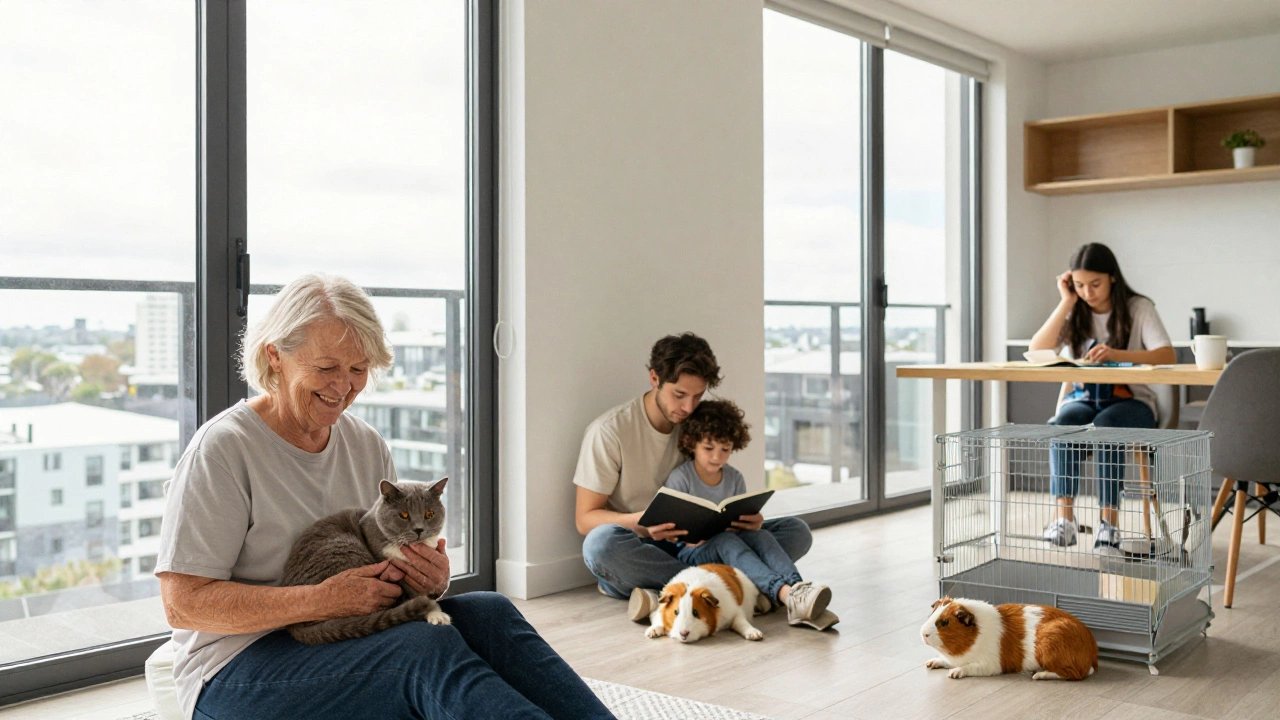
Living in an apartment can feel isolating. Especially in cities like Auckland, where high-rise living means neighbors rarely talk. A 2025 study from the University of Otago found that renters with pets reported 37% lower levels of stress and loneliness than those without. Dogs force you outside for walks. Cats curl up on your lap after a long shift. Even fish watching their tank can calm your nerves. These aren’t small comforts-they’re emotional lifelines.
Think about someone working night shifts, a single parent juggling childcare, or an elderly person who lost a partner. For them, a pet isn’t a luxury. It’s routine. It’s purpose. It’s quiet companionship when no one else is home. Banning pets means turning away people who need that connection most.
Pets Make Apartments Safer
Landlords often worry pets mean damage. But data says otherwise. A 2024 survey of 1,200 New Zealand rental properties showed that pet-owning tenants were 22% more likely to stay in a unit for over two years. Longer tenancies mean fewer turnovers, less cleaning, and fewer vacant units. That’s good for landlords.
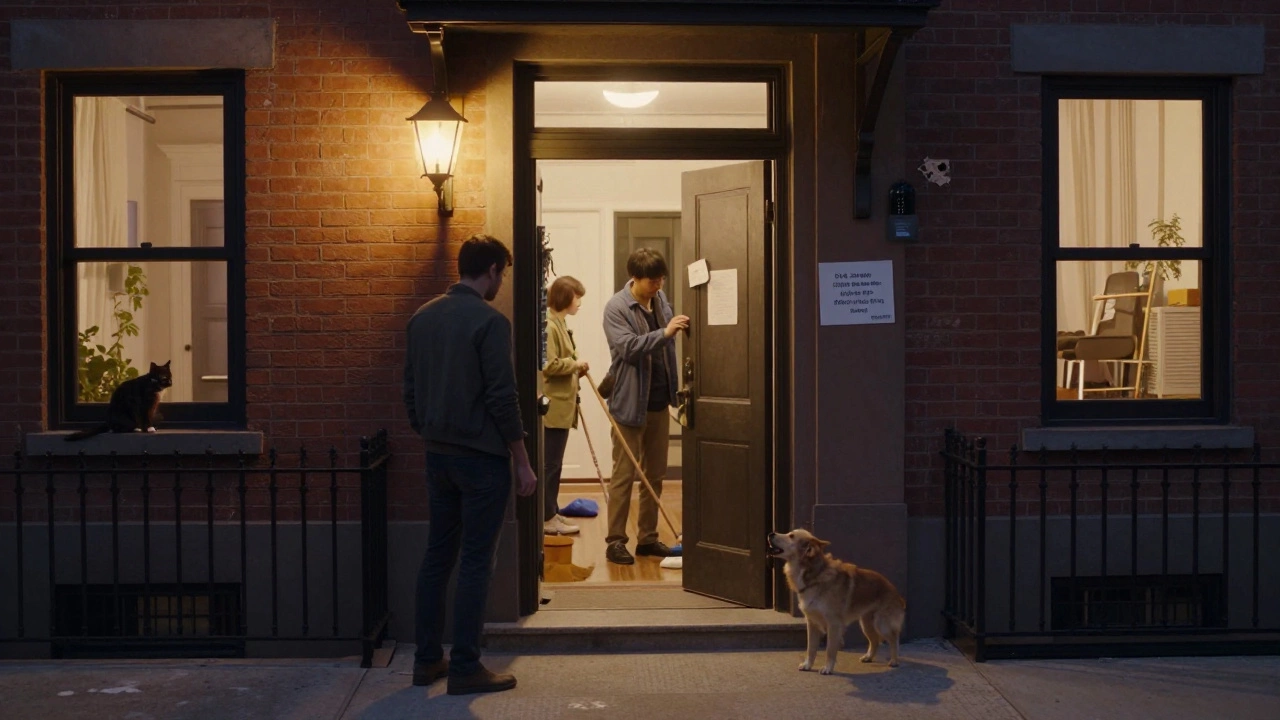
And here’s the surprise: pets actually reduce vandalism. Dogs bark at strangers. Cats patrol windowsills. In one Wellington building, vandalism dropped by 40% after allowing pets. Tenants with pets care more about their home. They fix squeaky doors. They report leaks. They keep the hallway clean because they don’t want their dog to be kicked out.
It’s Not Just About Dogs and Cats
When people say “pets,” they think of dogs. But what about the elderly woman who needs a therapy rabbit? Or the student with anxiety who finds comfort in a guinea pig? Or the family with a child on the autism spectrum who communicates better with a pet lizard? These aren’t exceptions-they’re growing parts of the rental population.
Under New Zealand’s Human Rights Act, denying housing based on disability-related needs is illegal. Therapy animals are legally protected. Yet many landlords still refuse them. That’s not just unfair-it’s against the law. Pets aren’t just companions. For many, they’re medical equipment.
Pet-Friendly Policies Boost Rental Demand
There’s a simple truth: people will pay more to live with their pets. A 2025 rental market report from Real Estate Institute of New Zealand showed that pet-friendly apartments rented 31% faster than those that didn’t allow animals. And they often had higher rent premiums-up to 12% more than comparable units.
Why? Because the pool of renters shrinks dramatically when pets are banned. You’re cutting out nearly 50% of potential tenants. That’s not a small gap. That’s a massive loss of income. Landlords who allow pets aren’t taking a risk. They’re expanding their market.
Damage Isn’t the Problem-Poor Management Is
Yes, pets can scratch floors. Yes, they might leave fur on the couch. But so do kids. So do messy roommates. So do people who spill coffee every morning. Why are pets singled out?
The real issue isn’t pets. It’s landlords who don’t use existing tools. A pet bond? That’s already legal in New Zealand. A pet deposit? Allowed under the Residential Tenancies Act. A pet questionnaire? Simple. Ask about behavior, training, and vet records. A clause requiring regular cleaning? Fine. But blanket bans? That’s lazy.
One landlord in Christchurch started requiring a $300 pet bond and a yearly professional cleaning. Within a year, he had zero pet-related damage claims. Tenants respected the rules because they were clear, fair, and consistent.

It’s About Fairness
Imagine being told you can’t move into a perfect apartment because your cat is 12 years old. Or being forced to give up your service dog because the landlord doesn’t “like animals.” That’s not housing policy. That’s discrimination.
People aren’t asking for special treatment. They’re asking for the same rights everyone else has: to choose where they live. To build a life with the people (and animals) they love. When we say “no pets,” we’re saying “no single parents, no seniors, no people with anxiety, no low-income families.” That’s not just bad policy. It’s out of touch.
What Can Tenants Do?
If you’re renting and want a pet, don’t accept a flat-out “no.” Ask for a pet application. Offer to pay extra. Provide vet records. Show proof your pet is trained. Bring references from past landlords. Many landlords will say yes if you make it easy.
And if they still say no? Talk to your local Tenancy Tribunal. In 2025, New Zealand saw a 58% increase in pet-related housing complaints. More than half were resolved in favor of the tenant.
What Can Landlords Do?
Start by removing the blanket ban. Add a pet clause to your tenancy agreement. Set clear rules: no aggressive animals, no excessive noise, regular cleaning, pet bond. Offer a pet-friendly unit as a premium option. Advertise it. You’ll attract better tenants. You’ll keep them longer. And you’ll help build a kinder, more connected community.
Pets don’t break apartments. They build them.
Can a landlord legally refuse pets in an apartment in New Zealand?
Yes, landlords can refuse pets-but only if it’s written in the tenancy agreement. However, they can’t refuse service animals or emotional support animals required for disability under the Human Rights Act. Blanket bans are common but not always legally defensible. Tenants can challenge unfair denials through the Tenancy Tribunal.
Do pet bonds work? Are they worth it?
Yes. A pet bond (up to $500 in New Zealand) is a legal way to cover pet-related damage. It’s not a fee-it’s a deposit returned if no damage occurs. Landlords who use pet bonds report 70% fewer complaints and zero net loss from pets. It’s a win: tenants feel respected, landlords are protected.
What if my pet is older or has health issues?
Older pets are often calmer and less likely to cause damage. Many landlords worry about vet bills, but that’s not the tenant’s responsibility unless caused by negligence. If your pet has a medical condition, bring a letter from your vet. It shows responsibility-and many landlords will accept it.
Can I get fined for having a pet without permission?
Yes. If you have a pet against the lease terms, your landlord can issue a notice to fix (give you 14 days to remove the pet) or end the tenancy. But they can’t just evict you without notice. Always check your tenancy agreement. If you’re unsure, contact Tenancy Services for free advice.
Are there pet-friendly apartment complexes in New Zealand?
Yes. Many newer developments in Auckland, Wellington, and Christchurch now advertise as pet-friendly. Some even have dog parks, pet washing stations, and pet-friendly common areas. Check listings on TradeMe or RealEstate.co.nz using the “pet-friendly” filter. Demand is rising-and so is supply.