
BTL Cash Flow Calculator
Property Investment Inputs
Results
Buy-to-let, or BTL, isn’t magic. It’s not a get-rich-quick scheme. It’s a straightforward way to earn money by owning property and renting it out. If you’ve ever wondered how people make money from houses they don’t live in, this is how it works - no fluff, no jargon, just the real steps and what actually happens on the ground.
What Exactly Is a Buy-to-Let Property?
A buy-to-let property is a home you buy with the sole purpose of renting it to someone else. You’re not moving in. You’re not fixing it up to sell. You’re buying it to collect rent every month. The idea is simple: rent covers your mortgage, bills, and maintenance, and anything left over is profit. Over time, the property might also go up in value, giving you extra equity.
In New Zealand, BTL is common in cities like Auckland, Wellington, and Christchurch, where rental demand stays strong. You don’t need to be rich to start. Some landlords begin with a small apartment or a house in a suburb where rent covers 80% of their mortgage. The rest? That’s where you need to be smart.
How Do You Actually Make Money From BTL?
There are two ways you make money with buy-to-let: cash flow and capital growth.
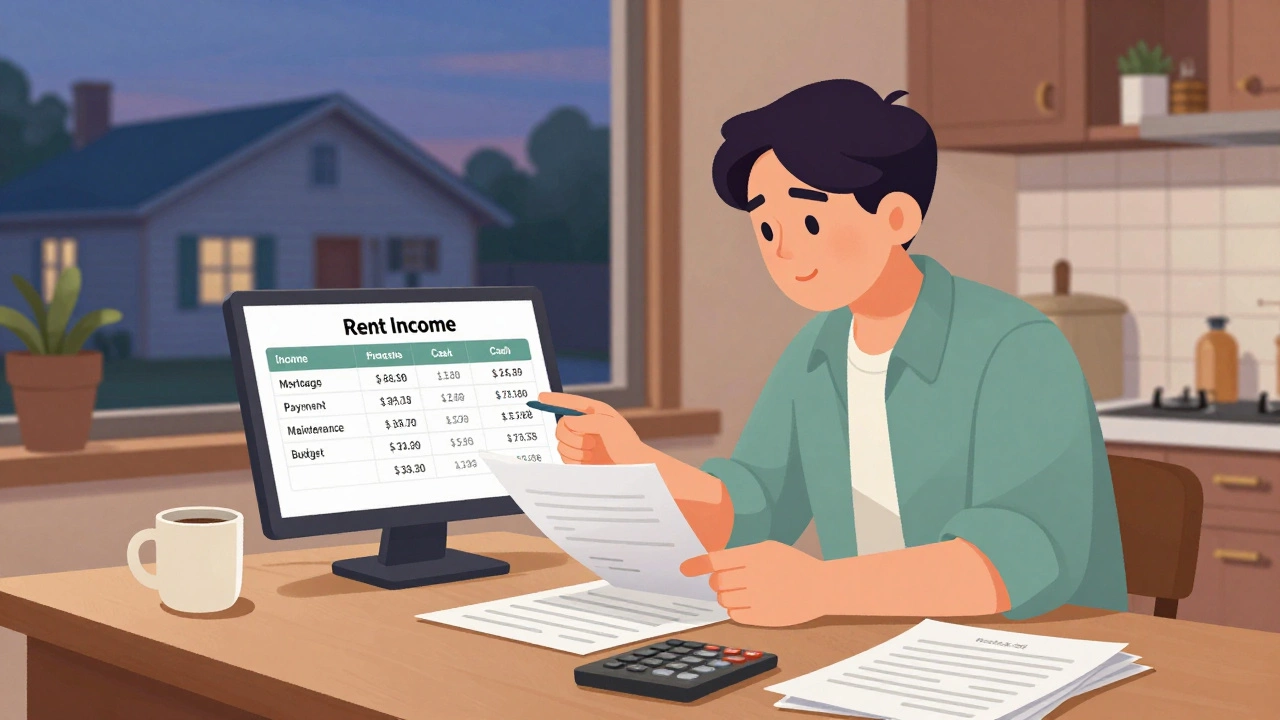
Cash flow is what’s left after you pay everything. Let’s say you rent a property for $600 a week. Your mortgage payment is $450, insurance is $30, property management is $75, and maintenance averages $25. That leaves you with $20 a week, or about $1,040 a year. Sounds low? It is - if you’re only looking at cash flow. But here’s the catch: most landlords don’t count on that $20. They count on the rent covering the mortgage and the property growing in value over time.
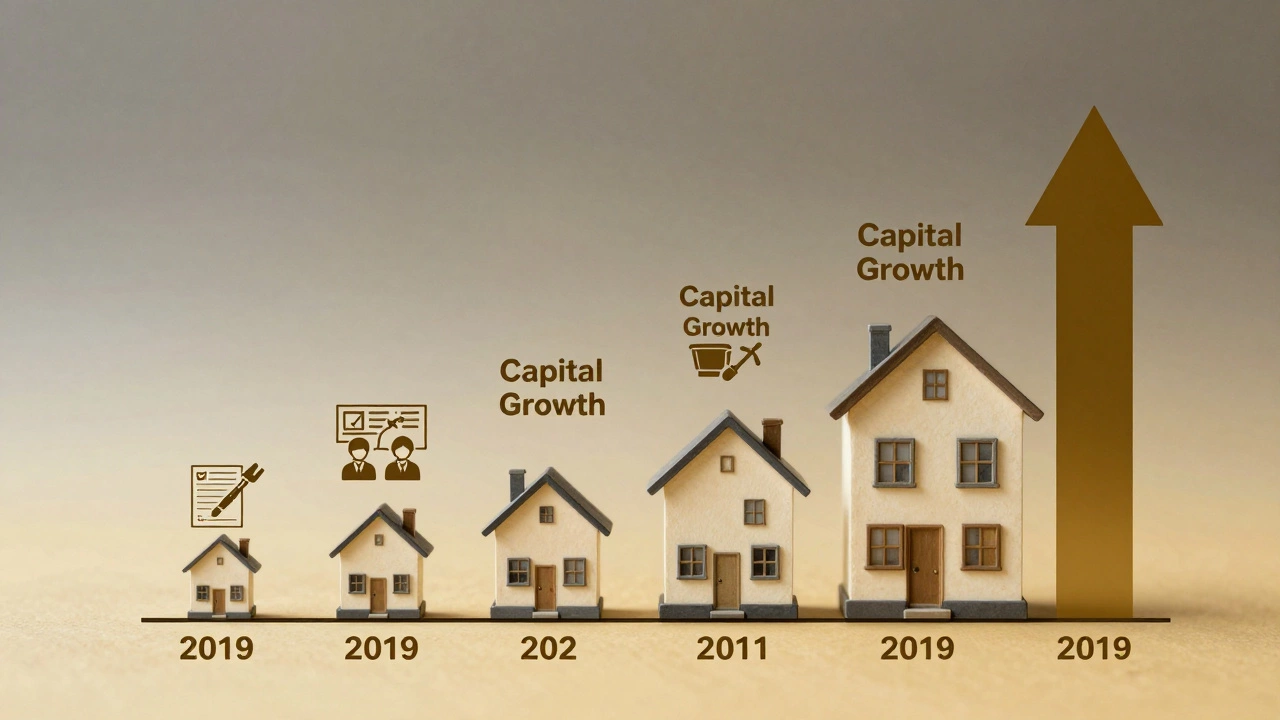
Capital growth is where the real long-term gains happen. In Auckland, average house prices rose 6% annually between 2018 and 2023. If you bought a $700,000 property in 2020 and held it, it could be worth $900,000 today. That’s $200,000 in equity you didn’t earn by working overtime - you earned it by owning a piece of land in a city that keeps growing.
How Do You Get Started?
Here’s the real checklist - the one that actually matters.
- Save for a deposit - Most lenders want at least 20% down. That means $140,000 on a $700,000 property. Some lenders will go lower, but you’ll pay more in interest and fees.
- Get a BTL mortgage - This isn’t a regular home loan. BTL loans are designed for investors. They usually have higher interest rates and stricter income checks. Lenders want proof you can cover the mortgage even if the property sits empty for a few months.
- Choose the right location - Renters don’t care about your kitchen tiles. They care about schools, public transport, and safety. Look for suburbs with low vacancy rates. In Auckland, areas like Manurewa, Papatoetoe, and Onehunga have consistently high demand.
- Find reliable tenants - Run background checks. Ask for references. Use a property manager if you’re not local. One bad tenant can cost you $5,000 in legal fees and lost rent.
- Plan for repairs - Water heaters break. Roofs leak. Fences fall. Set aside $100-$200 a month for maintenance. Don’t wait for something to break before you save.
What Are the Real Costs?
Most new landlords forget about the hidden costs. Here’s what you’re really paying:
- Mortgage interest - Currently around 7-8% for BTL loans in NZ
- Property management - 8-12% of monthly rent if you hire someone
- Insurance - Landlord insurance costs about $1,200 a year, more if you’re in a high-risk area
- Taxes - Rental income is taxable. You can claim deductions for interest, repairs, and depreciation, but you still owe income tax on the profit
- Void periods - On average, properties sit empty 2-4 weeks a year. That’s lost rent you need to budget for
- Legal and compliance - Tenancy agreements, bond lodgements, and health and safety checks cost time and money
Let’s say you earn $31,200 a year in rent. After $22,000 in mortgage interest, $3,600 in management fees, $1,200 in insurance, and $2,000 in repairs and voids, you’re left with $2,400 before tax. That’s not a fortune - but it’s passive income. And if your property grows by 5% a year? That’s another $35,000 in value.
What Can Go Wrong?
Not every BTL investment works. Here’s what breaks most people:
- Buying too high - If you pay $850,000 for a property that only rents for $650/week, you’ll never cash flow. Rent-to-price ratios matter. In Auckland, aim for rent that’s at least 4% of the purchase price annually.
- Not having a buffer - One month without rent, a broken boiler, or a tenant who skips out can wipe out your savings if you didn’t plan ahead.
- Changing laws - New Zealand has tightened rules on negative gearing and interest deductibility. Since 2021, landlords can’t claim mortgage interest as a tax deduction. That changed the math for thousands of investors overnight.
- Over-leveraging - Buying three properties with 90% loans sounds ambitious. But if rates rise or rents drop, you’re in trouble fast.
Some landlords lose money for years before the market turns. Others cash out early and walk away with a profit. The difference? Patience and discipline.
Who Is BTL Really For?
BTL isn’t for everyone. It’s not for people who want quick cash. It’s not for people who hate dealing with people. It’s for those who:
- Have a stable income to cover the mortgage if rent stops
- Can handle the emotional side of being a landlord
- Are willing to learn the rules - tenancy law, tax rules, maintenance schedules
- Think long-term - 5+ years, preferably 10
- Understand that property isn’t a stock market gamble - it’s a slow, steady build
If you’re a first-time buyer looking to get into property, BTL can be a smart second step. Many people start with a small apartment, live in it for a year, then move out and rent it. That’s called “house hacking” - and it’s one of the most common paths to building wealth in New Zealand.
What’s the Alternative?
Not everyone wants to manage a property. There are other ways to invest in real estate:
- REITs (Real Estate Investment Trusts) - Buy shares in companies that own rental buildings. Lower risk, lower returns.
- Property funds - Pool your money with others to buy commercial or residential property. Less control, less hassle.
- Buying and flipping - Buy, renovate, sell fast. High risk, high reward. Not passive.
But if you want control, long-term growth, and a tangible asset you can see and touch - BTL is still the most direct path.
Final Thought: It’s Not About the Property - It’s About the System
The best BTL investors don’t just buy houses. They build systems. They use property managers. They keep a cash reserve. They track expenses in a simple spreadsheet. They don’t chase the hottest suburb - they chase consistent demand.
One landlord I know bought a $450,000 two-bedroom house in Papakura in 2019. He paid 25% down. Rent covers the mortgage. He uses a property manager for $40 a week. He sets aside $150 a month for repairs. He doesn’t check the property every month. He checks his bank account every month - and sees the rent come in.
That’s it. No drama. No magic. Just a system that works.
Is buy-to-let still worth it in New Zealand in 2026?
Yes - but only if you’re realistic. Interest rates are higher, tax deductions are limited, and prices have cooled from their peak. But rental demand remains strong in major cities, especially for affordable housing. If you buy in the right location, keep costs low, and hold for 5+ years, BTL still works. The days of easy profits are over. The era of smart, patient investing is just beginning.
How much deposit do I need for a buy-to-let property?
Most lenders require at least 20% of the property value. For a $700,000 home, that’s $140,000. Some lenders offer 15% loans, but you’ll pay higher interest and fees. If you’re using equity from your own home, that can count toward your deposit. The key is having enough to cover not just the purchase, but also legal fees, inspections, and a buffer for the first few months.
Can I live in my buy-to-let property?
Technically, yes - but not if you want to keep the BTL mortgage. Most BTL loans require you to rent the property out. If you move in, you’ll need to switch to a standard home loan. Many people do this as a strategy: live in the property for a year, then rent it out. That’s called house hacking and can help you build equity faster while living rent-free.
Are there tax benefits to owning a buy-to-let property?
You can claim deductions for property management fees, repairs, insurance, and depreciation on fixtures. But since 2021, you can no longer deduct mortgage interest from your rental income for tax purposes. That means your taxable profit is higher. Always talk to an accountant - tax rules change often, and small mistakes can cost you.
What’s the best way to find tenants?
Use a property manager if you’re not local - they handle ads, screenings, and leases. If you’re doing it yourself, list on Trade Me Property and Facebook Marketplace. Always run a credit check, ask for references from past landlords, and verify employment. A good tenant is worth more than a high rent. One bad tenant can cost you thousands in legal fees and lost rent.