Penthouse Premium Calculator
Penthouse Value Calculator
Calculate how features like terrace size, private elevator, and premium finishes affect the price premium of a penthouse versus a standard apartment.
When you hear the term apartment top level, you’re not just thinking about the highest floor in a building. You’re imagining panoramic views, private elevators, and spaces that feel more like private estates than urban dwellings. In luxury apartment buildings across cities like Auckland, New York, or Singapore, the top level isn’t just a location-it’s a status symbol, a design statement, and often the most exclusive unit in the entire structure.
What Exactly Is the Top Level?
The apartment top level, commonly called a penthouse, is the unit located on the highest occupied floor of a residential building. But not every top-floor unit qualifies as a penthouse. A true penthouse has distinctive features that set it apart: higher ceilings, private outdoor terraces, premium finishes, and often, dedicated amenities like spas, home theaters, or rooftop gardens. These aren’t just upgraded apartments-they’re custom-built living spaces designed for privacy, exclusivity, and comfort.
In modern luxury developments, the top level might even span multiple floors. Some developers stack two or three units into one sprawling residence, creating what’s known as a duplex or triplex penthouse. These are rare, often reserved for the wealthiest buyers, and can cost upward of $10 million in major global cities.
Why Do People Pay So Much for the Top Level?
It’s not just about the view-even though that’s a huge part of it. The top level offers something no other floor can: true separation from the rest of the building. There’s no one above you. No footsteps echoing through the ceiling. No neighbors sharing walls or plumbing. That silence, that privacy, is priceless.
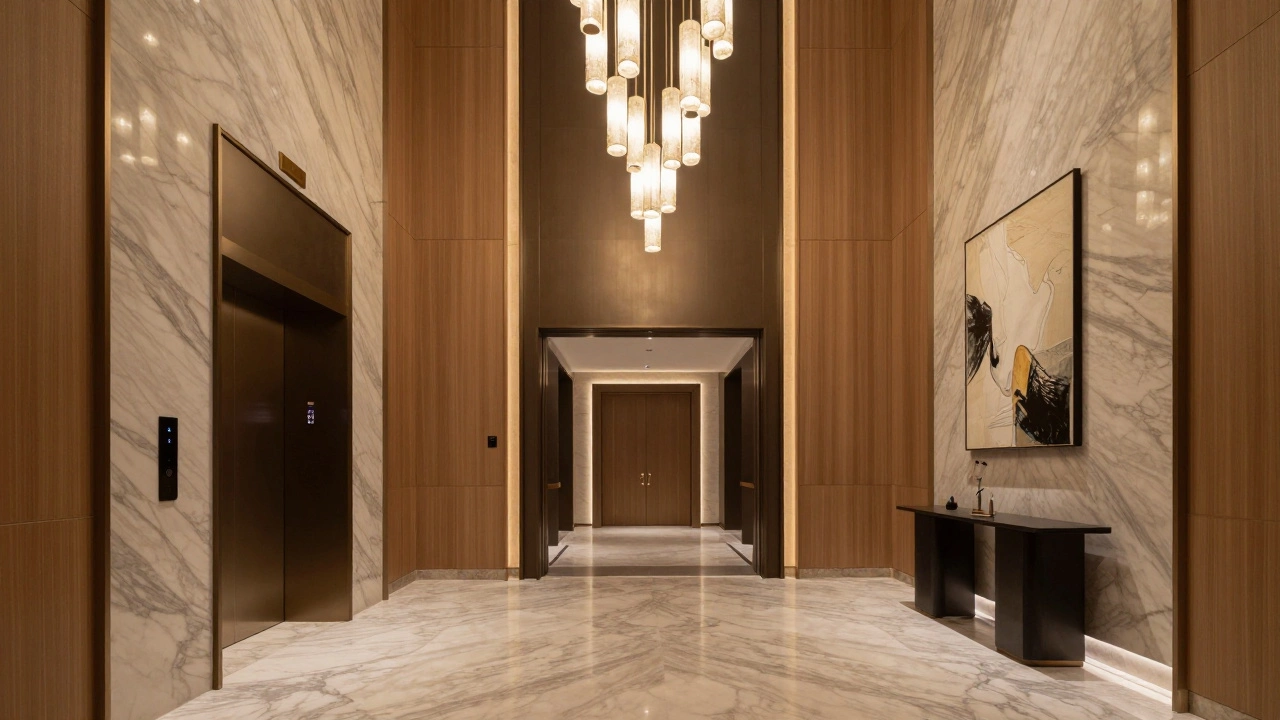
Many top-level apartments also come with private entrances and elevators that stop only at your unit. In buildings like The Auckland Tower or The Skyline Residences, residents step off their private lift into a foyer that feels more like a boutique hotel lobby than an apartment entrance. These features aren’t just perks-they’re part of the value proposition.
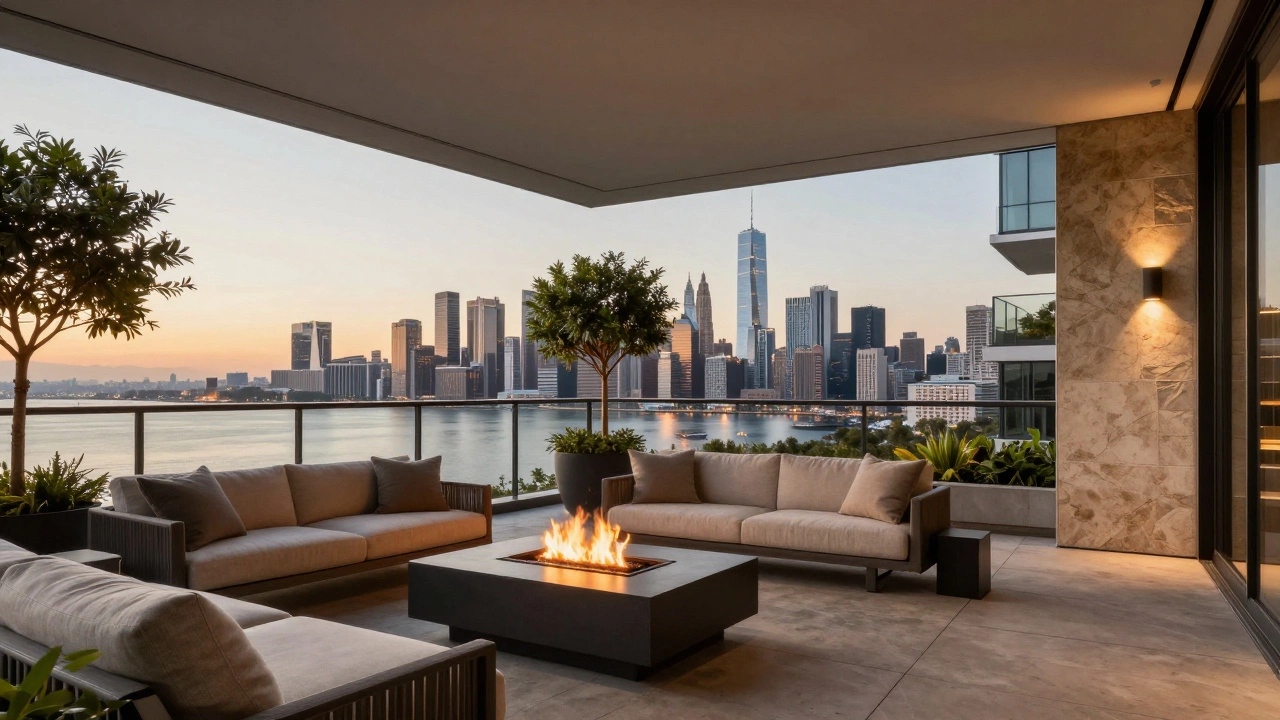
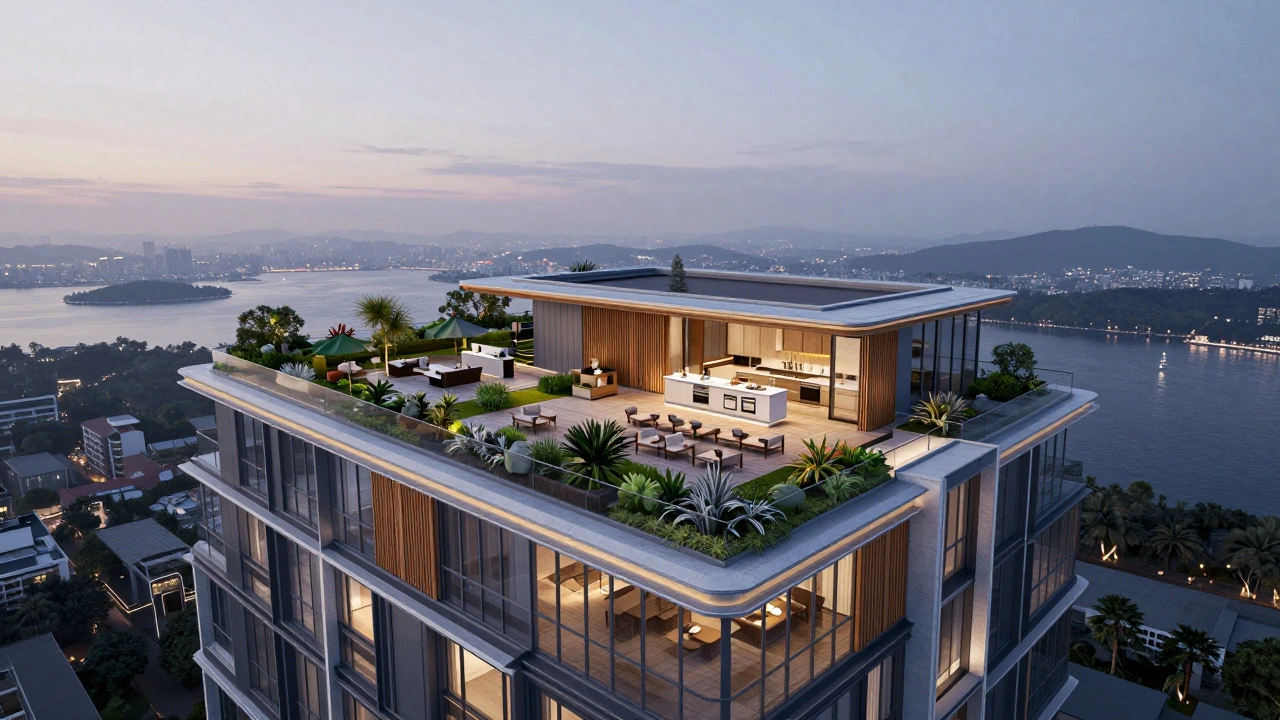
And then there’s the outdoor space. A rooftop terrace with 360-degree views of the harbor, city skyline, or mountains is a rare commodity. In Auckland, a top-level penthouse might overlook the Waitematā Harbour, with views stretching from the Harbour Bridge to Rangitoto Island. These terraces aren’t just balconies-they’re outdoor living rooms, complete with built-in kitchens, fire pits, and landscaping.
What Makes a Top-Level Apartment Different From Other Units?
Here’s how a luxury penthouse compares to standard units in the same building:
| Feature | Standard Apartment | Top-Level Penthouse |
|---|---|---|
| Ceiling Height | 2.4-2.7 meters | 3.0-4.5 meters |
| Outdoor Space | Small balcony (1-3 m²) | Private terrace (20-150 m²) |
| Private Elevator | No | Yes |
| Finishes | Standard luxury (e.g., quartz counters, hardwood floors) | High-end custom (e.g., imported marble, smart glass, designer lighting) |
| Security | Building-wide access control | Biometric entry, 24/7 concierge, private security |
| Price Premium | Base unit price | 30-100% higher than mid-floor units |
These differences aren’t minor upgrades-they’re fundamental changes in how you experience daily life. Imagine starting your morning with coffee on a private terrace as the sun rises over the harbor, then stepping into a kitchen with Italian cabinetry and a built-in wine cooler. That’s not a lifestyle upgrade-it’s a total redefinition of home.
Who Buys Top-Level Apartments?
Top-level apartments attract a very specific group: ultra-high-net-worth individuals, global investors, and sometimes celebrities or business leaders looking for a private urban retreat. In Auckland, many buyers are international investors from Asia and the Middle East who want a secure, low-maintenance, high-value asset in a stable market.
But it’s not just about investment. Many buyers are empty-nesters who’ve sold their large homes and want something more manageable but still luxurious. Others are tech founders or entrepreneurs who value privacy and exclusivity over square footage. For them, the top level isn’t a status symbol-it’s a sanctuary.
What they all have in common? They don’t want to compromise. They want the best possible version of what a luxury apartment can be. And that’s exactly what the top level delivers.
What Are the Downsides?
Even the best penthouses have trade-offs. One major concern is accessibility. Elevators can break down. In older buildings, power outages mean you’re stuck on the top floor. That’s why newer luxury developments now include backup generators and emergency stairwells designed for quick evacuation.
Weather can also be a factor. Strong winds on the top level can make outdoor terraces less usable in winter. Rain, snow, or salt spray from the ocean can affect finishes over time. That’s why high-end developers now use weather-resistant materials-ceramic cladding, marine-grade stainless steel, and UV-resistant glass.
And then there’s the cost. Maintenance fees for penthouses are often higher because of the premium amenities and services. A single penthouse might pay 2-3 times the body corporate fees of a mid-floor unit. Buyers need to factor that in-not just the purchase price, but the long-term cost of ownership.
What to Look for in a Top-Level Apartment
If you’re considering a top-level apartment, here’s what matters most:
- View quality-Is it unobstructed? Will future construction block it?
- Outdoor space-Is it usable year-round? Is there shade, privacy, or protection from wind?
- Construction quality-Are the walls, windows, and floors built to handle weather and noise better than standard units?
- Building amenities-Does the building have a private gym, spa, or concierge? These add value.
- Resale potential-Penthouses in well-managed buildings in prime locations hold value better than most other units.
Don’t just fall for the view. Ask for floor plans, maintenance records, and even talk to current residents if possible. The best penthouses aren’t just beautiful-they’re well-engineered.
Top-Level Living in Auckland
Auckland’s luxury market has seen a surge in top-level developments over the last five years. Projects like The Edge Residences in Ponsonby and The Harbor View Tower in Wynyard Quarter are redefining what’s possible. These buildings combine Scandinavian minimalism with Pacific-inspired materials-timber, stone, and glass-to create spaces that feel both modern and grounded.
One recent penthouse sale in Auckland’s waterfront district set a new record: $14.2 million for a 450-square-meter unit with a 120-square-meter terrace and a private elevator. That’s not just a home-it’s a statement.
What makes Auckland unique? The combination of natural beauty and urban convenience. A top-level apartment here doesn’t just overlook the city-it frames it. The harbor, the islands, the mountains-all visible from your living room.
Is the Top Level Worth It?
For most people, the answer is no. The price tag, the maintenance, the isolation-it’s not for everyone. But for those who value privacy, design, and exclusivity above all else? The top level isn’t just worth it. It’s the only option that truly meets their needs.
It’s not about having the biggest apartment. It’s about having the best. And in luxury living, that means being at the top-not just in height, but in experience.
Is a top-level apartment the same as a penthouse?
Almost always, yes. The term "penthouse" is used to describe a luxury apartment on the top level of a building. But not every top-floor unit is a penthouse. A true penthouse has premium features like private elevators, high ceilings, large terraces, and custom finishes. Some buildings have multiple top-floor units, but only one or two qualify as penthouses based on these criteria.
Do top-level apartments have better resale value?
Yes, in well-managed luxury buildings, penthouses typically hold their value better than other units. They’re rarer, more desirable, and often have unique features that can’t be replicated. In cities like Auckland, Sydney, or London, penthouses have consistently outperformed mid-floor units in price appreciation over the last decade, especially in areas with limited new development.
Are top-level apartments more expensive to maintain?
Yes. Maintenance fees for penthouses are usually higher because they often come with premium amenities, larger outdoor spaces, and more complex systems (like private elevators or rooftop gardens). Body corporate fees can be 2-3 times higher than for standard units. Buyers should always review financial statements before purchasing.
Can you convert a regular top-floor apartment into a penthouse?
It’s possible in some cases, but it’s rare and expensive. You’d need approval from the building’s body corporate, structural engineers, and local authorities. Adding a terrace, increasing ceiling height, or installing a private elevator requires major renovations. Most developers design penthouses from the ground up to meet building codes and structural requirements.
Are top-level apartments noisy?
Surprisingly, no-especially in modern luxury buildings. Since there’s no one above you, noise from neighbors is eliminated. However, wind, rain, and HVAC systems can create sound. High-end developments use sound-dampening materials in walls, floors, and ceilings, and often install quiet, variable-speed elevators to reduce mechanical noise.