
Luxury Apartment Value Calculator
Your Apartment Details
Standard Apartment Comparison
Luxury Apartment Features
Value Comparison Results
Based on Auckland Market DataKey Insights
When someone says luxury apartment, they’re not just talking about a big space or a fancy address. It’s a whole experience built around comfort, exclusivity, and attention to detail that goes far beyond what most people expect from a home. You won’t find luxury apartments in standard developments. They’re carefully designed, often in prime locations, and built with materials and systems that prioritize quality over cost-cutting.
It’s Not Just Size - It’s Craftsmanship
A luxury apartment isn’t defined by square footage alone. You can have a huge unit that feels cold and impersonal. True luxury comes from how things are made. Think solid oak flooring with hand-finished grain, custom millwork that matches the architectural style of the building, and countertops made from imported marble or quartzite. These aren’t off-the-shelf items bought from a warehouse. They’re selected by designers who understand texture, light, and longevity. In Auckland, luxury apartments often feature stone cladding from Italy, brass fixtures from Germany, and cabinetry built by local artisans who’ve spent decades refining their craft. The doors have silent, soft-close hinges. The windows are triple-glazed to block street noise. Even the light switches feel substantial - not plastic, but brushed metal with a tactile weight.Location Matters More Than You Think
A luxury apartment sits in a place that’s hard to replicate. That means waterfront views in Viaduct Harbour, elevated positions with city skyline access in Parnell, or quiet streets lined with century-old trees in Mount Eden. It’s not just about the view - it’s about the environment. Walkability to fine dining, private clubs, art galleries, and top-tier schools is built into the value. In 2025, buyers in Auckland’s luxury market are choosing buildings that are within a 10-minute walk of Michelin-starred restaurants, boutique wine shops, and private medical clinics. The best developments even have dedicated concierge teams who handle grocery deliveries, dry cleaning, and booking reservations - because time is the real luxury here.Private Amenities That Feel Like a Resort
Forget the basic gym and pool. A luxury apartment building offers spaces designed for relaxation and social connection without ever leaving the building. Think indoor lap pools with saltwater filtration, private cinema rooms with leather recliners, rooftop terraces with outdoor fireplaces and landscaped gardens, and dedicated yoga studios with floor-to-ceiling windows. Some buildings include wine cellars with climate control, where residents can store their collections. Others have private dining rooms you can book for family dinners. There’s often a resident manager on-site 24/7, not just for security, but to anticipate needs - like arranging a last-minute babysitter or sourcing rare ingredients for a dinner party. These aren’t add-ons. They’re core to the design. Developers spend as much on these spaces as they do on the apartments themselves because they know the buyer isn’t just paying for a place to sleep - they’re paying for a lifestyle.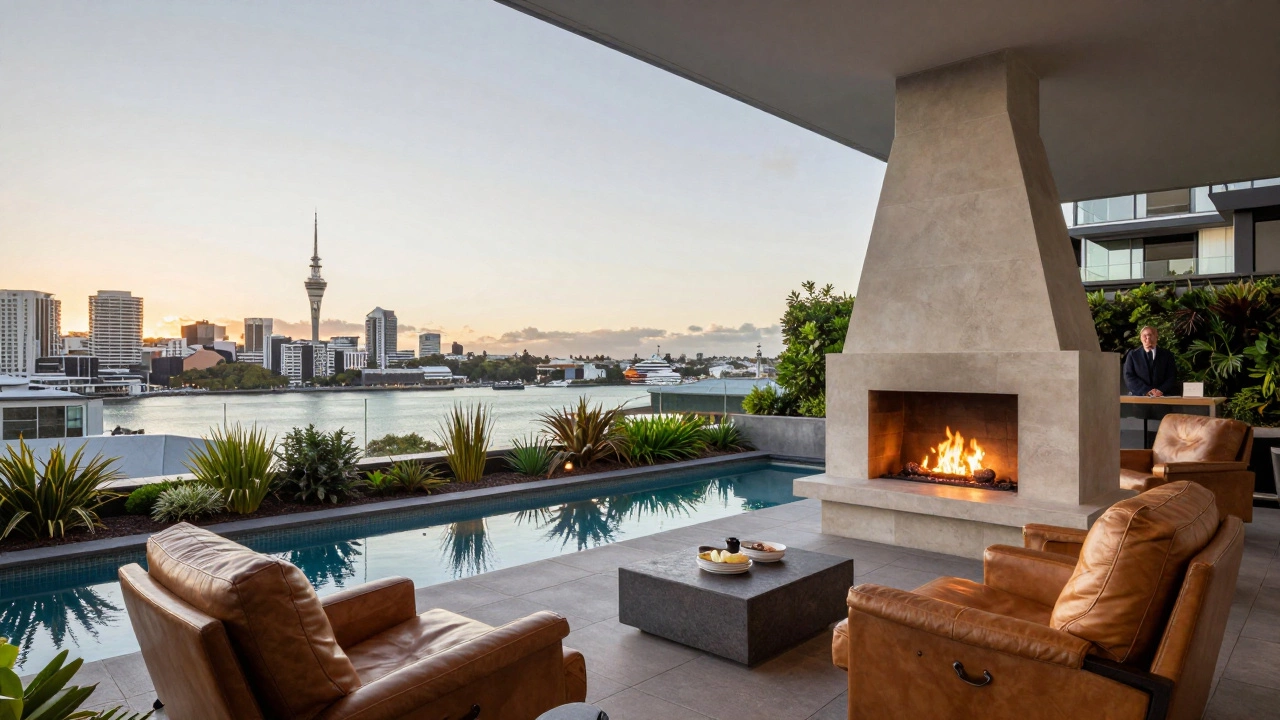
Technology That Disappears Into the Background
Luxury doesn’t mean flashy screens everywhere. It means technology that works so smoothly you forget it’s there. Smart lighting adjusts automatically to the time of day. Climate control learns your habits and adjusts room temperatures before you even notice it’s too warm or cool. Security systems use facial recognition, not keycards, and integrate with your phone so you can let in a guest from overseas without being home. Audio systems are hidden in walls and ceilings, delivering concert-quality sound without speakers sticking out like afterthoughts. Even the plumbing is designed for silence - no banging pipes, no gurgling drains. High-end buildings use copper or PEX piping with acoustic insulation wrapped around every line. In 2026, the most sought-after luxury apartments include whole-home automation systems powered by platforms like Crestron or Control4. These aren’t just voice-controlled lights. They’re systems that manage everything from window shades to water pressure, all synced to your personal routine.Privacy and Exclusivity Are Non-Negotiable
A luxury apartment doesn’t feel like a hotel. It doesn’t feel like a shared building full of strangers. It feels like your own sanctuary. That’s why these buildings have limited units - often fewer than 30 in a tower. Elevators may open directly into your foyer, not a shared hallway. Entry points are secured with biometric access, and visitor logs are strictly managed. You won’t find a shared laundry room. Each unit has its own washer and dryer, often built into custom cabinetry so they’re invisible. Parking isn’t just assigned - it’s covered, climate-controlled, and often includes an electric vehicle charger. Some developments even offer private storage lockers for seasonal items like skis or surfboards. This level of privacy means you’re not sharing elevators with five other families on a Tuesday morning. You’re not hearing your neighbor’s TV through the walls. The building is designed to be quiet, intimate, and personal - not crowded or impersonal.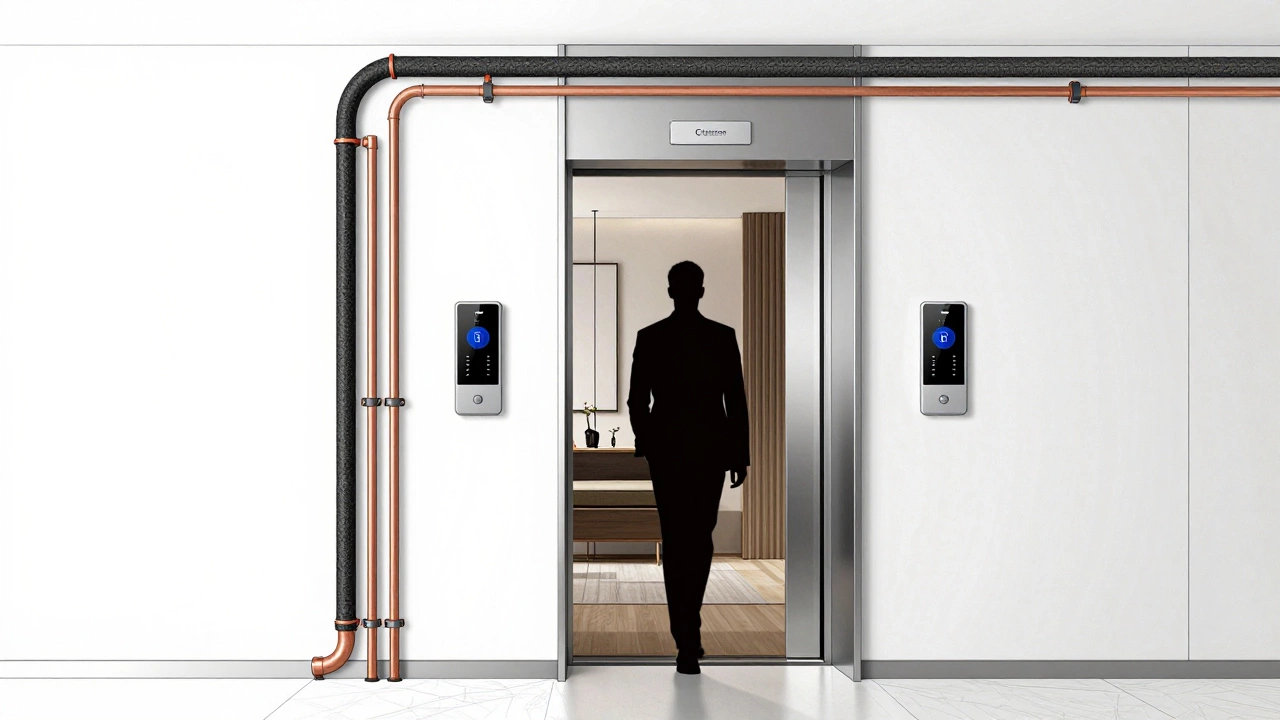
It’s About Long-Term Value, Not Just Looks
Luxury apartments aren’t bought for trends. They’re bought as long-term assets. That’s why materials are chosen for durability, not just beauty. Marble doesn’t stain easily because it’s sealed with nano-tech coatings. Cabinetry uses dovetail joints, not staples. Electrical systems are over-engineered to handle future tech upgrades without rewiring. In Auckland, luxury apartments built between 2018 and 2023 have held their value better than any other housing segment during economic shifts. Buyers aren’t just paying for aesthetics - they’re paying for peace of mind. The resale market for these units is strong because the quality is undeniable. You can’t fake craftsmanship.Who Buys a Luxury Apartment?
It’s not just the ultra-rich. Many buyers are successful professionals - surgeons, tech founders, international investors - who’ve worked hard and now want a home that reflects their standards. Others are downsizing from large houses but don’t want to sacrifice quality. They trade space for efficiency and precision. Parents buy them for their children attending top schools, knowing the location and safety matter more than a backyard. Retirees choose them for low-maintenance living with premium services on-call. It’s not about showing off. It’s about living well, without compromise.What Makes a Luxury Apartment Different From a High-End One?
There’s a difference between “high-end” and “luxury.” High-end might mean new finishes, stainless steel appliances, and a sleek design. Luxury means every detail has been thought through - from the way the bathroom tiles are laid to the soundproofing between floors. It’s the difference between a designer outfit and a bespoke suit tailored to your body. One is purchased. The other is curated.Is a luxury apartment worth the higher price?
Yes, if you value time, privacy, and quality over cost. Luxury apartments cost more upfront, but they save money long-term. You won’t need to renovate for 20+ years. Maintenance is minimal. Services like cleaning, security, and concierge are included. For people who travel often or work long hours, the convenience and peace of mind often outweigh the price tag.
Can you rent a luxury apartment instead of buying?
Absolutely. Many luxury buildings in Auckland offer long-term rentals, especially to expats, corporate relocators, and high-net-worth individuals who don’t want the responsibility of ownership. Monthly rents can range from $8,000 to $20,000 NZD depending on location, size, and amenities - but they often include utilities, cleaning, and building services.
Do luxury apartments appreciate faster than other homes?
Historically, yes. In Auckland’s market, luxury apartments have consistently outperformed standard apartments and even some houses in value growth over the last decade. Their limited supply, prime locations, and high demand from international buyers create strong upward pressure on prices. They’re also less affected by interest rate swings because buyers often pay in cash or with low loan-to-value ratios.
Are luxury apartments only for people with million-dollar incomes?
No. While many buyers have high incomes, others use savings, inheritance, or investment returns to purchase. Some buy smaller luxury units - 80-100 square meters - that still have premium finishes and services. The entry point in Auckland is around $1.2 million NZD for a one-bedroom, which is far below the average luxury home price but still represents a significant investment.
What’s the biggest mistake people make when buying a luxury apartment?
Focusing only on the view or the kitchen. The real value is in the building’s construction quality, soundproofing, security systems, and management team. A stunning view means nothing if the windows leak, the elevator breaks down often, or the concierge is unresponsive. Always ask for the building’s maintenance records and talk to current residents before signing.