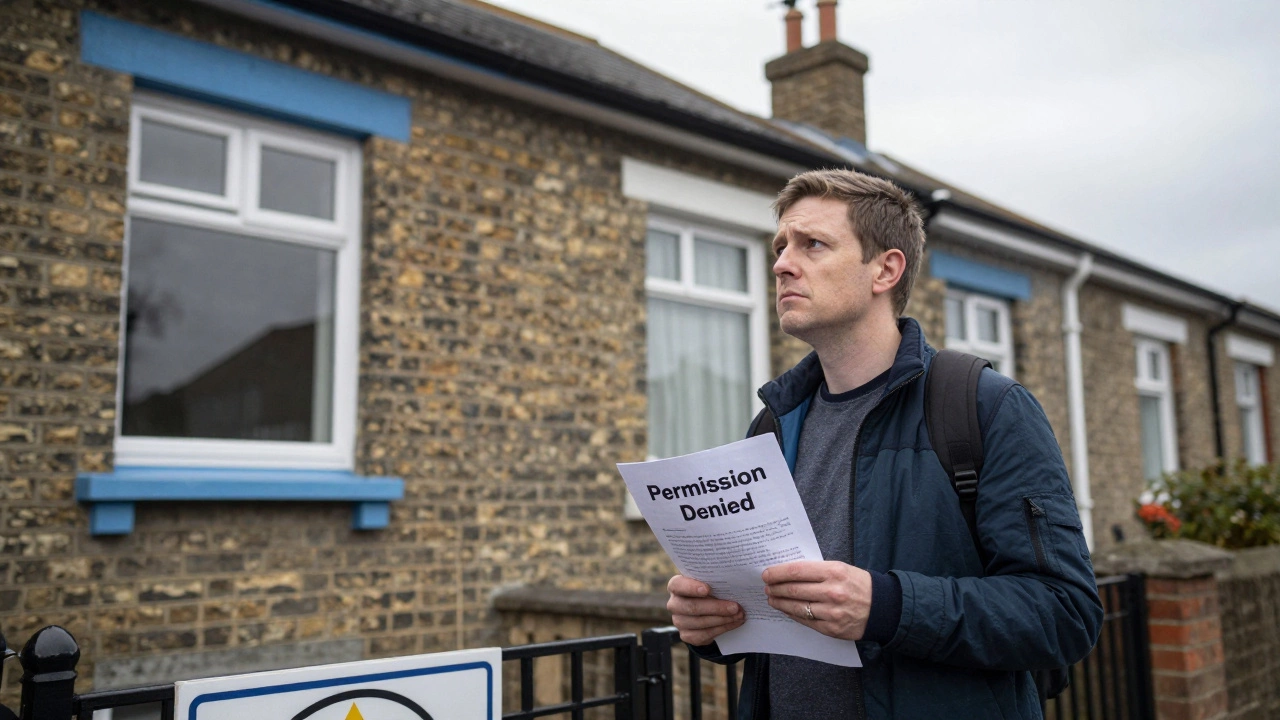
Downsides of Shared Ownership: What No One Tells You Before You Buy
When you buy a shared ownership, a housing scheme where you buy a portion of a home and pay rent on the rest. Also known as part-buy part-rent, it’s marketed as a way into the property market for people who can’t afford a full mortgage. But behind the low deposit and smaller monthly payments, there are real, lasting problems most agents won’t mention until it’s too late.
One big issue is the staircasing, the process of buying more shares in your home over time. It sounds great—each time you buy more, your rent goes down. But the cost to buy additional shares isn’t fixed. It’s based on the home’s current market value. If prices rise, your next step costs way more than expected. If they drop, you still pay the original price you agreed to. You’re stuck with a pricing system that only benefits the housing association, not you. And you can’t just sell whenever you want. You have to offer it back to them first, and they get to choose who buys it. That means long delays, no control over the buyer, and sometimes no sale at all.
Then there’s the leasehold restrictions, the legal contract that governs your rights as a partial owner. Unlike a freehold home, where you own the land and building outright, shared ownership means you’re renting the rest of the property. That comes with rules: no pets without permission, no major renovations without approval, and you’re still on the hook for service charges and ground rent—even if you own 80% of the home. These fees keep rising, often without warning. One family in Manchester saw their service charges jump 40% in three years. They couldn’t afford to staircase further, and they couldn’t sell because no buyer wanted the extra costs.
And let’s not forget the shared equity downsides, the financial and emotional risks of co-owning with a housing association. You’re not just paying a mortgage—you’re paying rent, insurance, maintenance fees, and legal costs. Your equity grows slowly, if at all. Meanwhile, your rent can go up every year, sometimes by more than inflation. If you lose your job or face an emergency, you’re not protected. The housing association won’t pause your rent. And if you fall behind, they can start eviction proceedings—even if you own 70% of the home. That’s not homeownership. That’s renting with a mortgage attached.
People get into shared ownership because they think it’s the only way. But it’s not. It’s a compromise with hidden traps. You trade freedom for affordability—and often end up paying more in the long run, with less control, less flexibility, and more stress. The posts below break down exactly what goes wrong, how to spot the red flags before you sign, and what alternatives actually work better. No fluff. No sales pitch. Just what happens when shared ownership doesn’t go as planned.