Shared Ownership Cost Calculator
Monthly Costs
Staircasing Costs
Shared ownership sounds like a smart way into homeownership-pay less upfront, get a foot on the ladder, and slowly buy more over time. But for every success story, there’s a quiet frustration that doesn’t make it into brochures. If you’re considering shared ownership, you need to know what most sales agents won’t tell you.
You don’t own your home, you own a slice of it
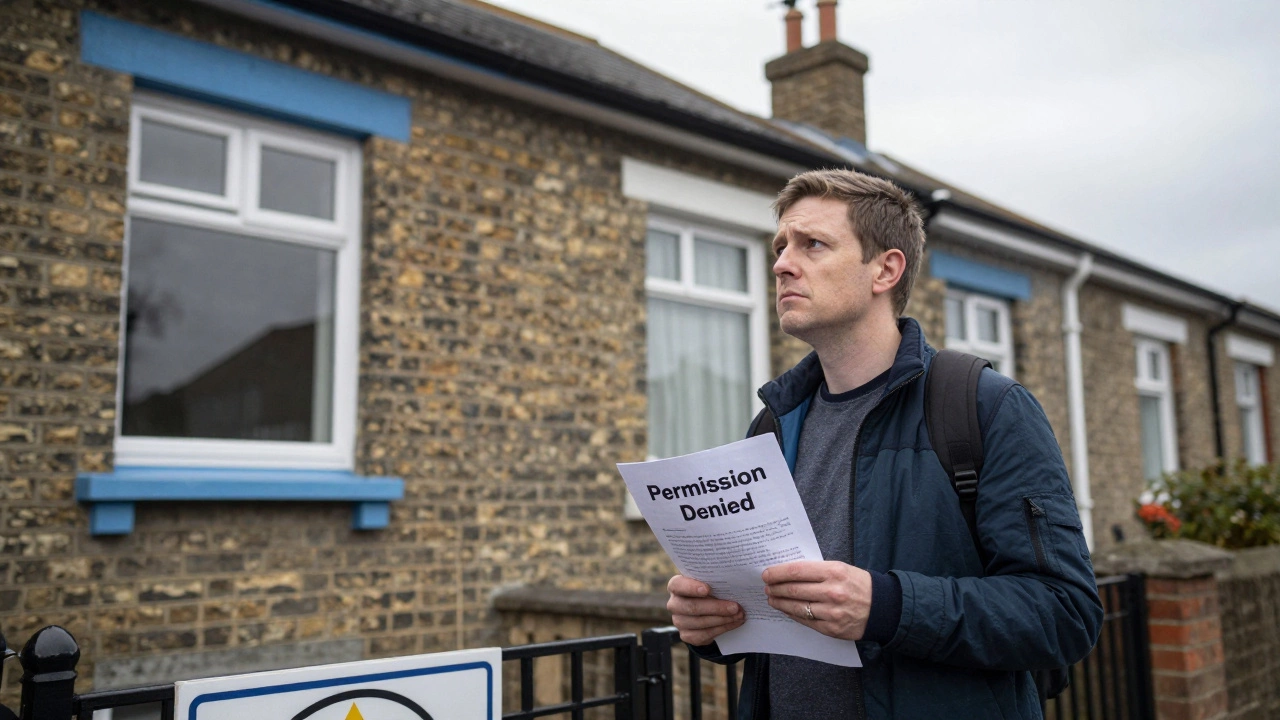
When you buy a share in a shared ownership property, you’re not buying a house. You’re buying a percentage-maybe 25%, 50%, or 75%-of a home that’s still mostly owned by a housing association. That means you can’t make major changes without permission. Want to knock down a wall? Install solar panels? Paint the exterior? You need written approval. And they can say no. One buyer in Manchester spent six months trying to get permission to replace her old windows. The housing association said the new ones didn’t match the original style. She ended up paying for the work out of pocket and still had to use the old-style windows.
Service charges and rent add up fast
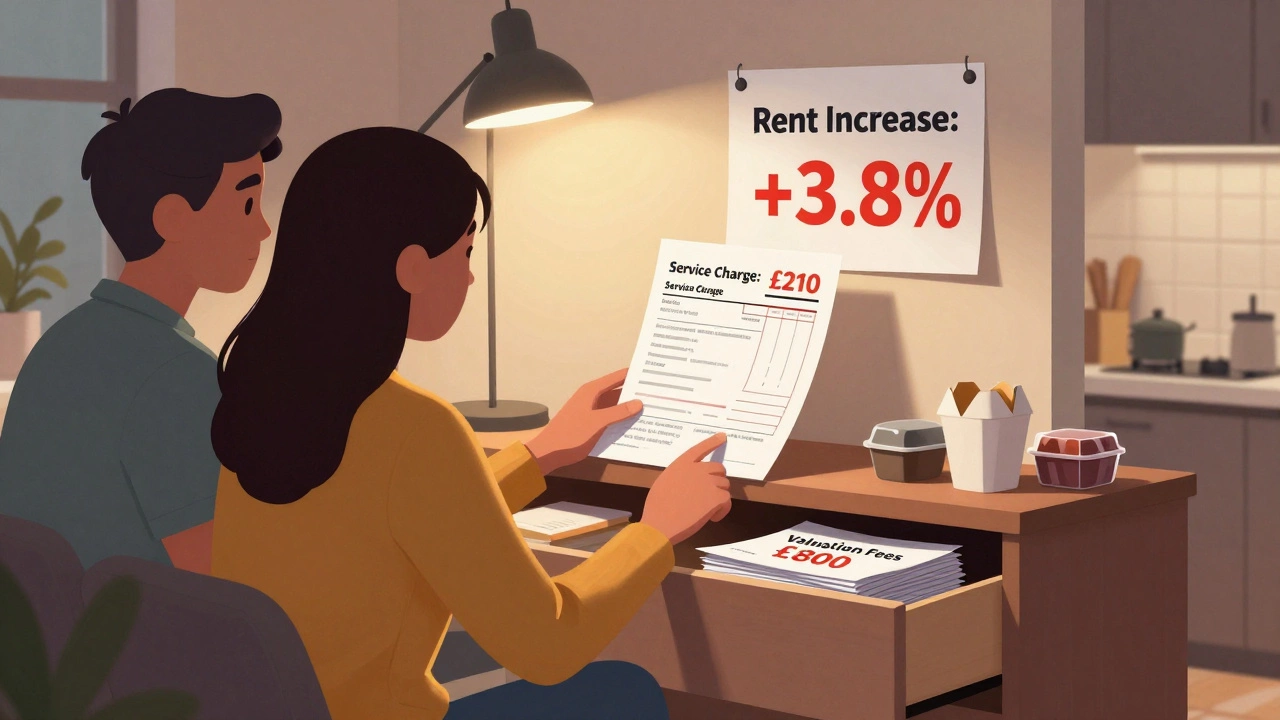
You pay rent on the part you don’t own. That rent isn’t fixed. It can go up every year, often tied to inflation or a fixed percentage. In 2024, the average annual rent increase for shared ownership properties was 3.8%, according to the National Housing Federation. That’s higher than most wage growth. On top of that, you pay service charges for building maintenance, lifts, communal areas, and sometimes even gardening. One couple in Leeds discovered their service charge jumped from £120 to £210 a month after a new management company took over. They hadn’t been told this could happen when they signed.
Staircasing is harder-and more expensive-than it looks
The dream is to buy more shares over time until you own 100%. That’s called staircasing. But it’s not a simple process. Each time you buy more, you need a new valuation. Those valuations cost between £300 and £800. And they’re not always in your favor. One buyer in Birmingham bought 50% of her flat for £110,000 in 2020. Three years later, when she tried to buy another 25%, the valuation came in at £160,000 for the whole flat. She had to pay £40,000 for the extra share-not because the market exploded, but because the housing association used a different surveyor with a higher estimate. She couldn’t afford it and got stuck.
You can’t sell when you want to
If you decide to move, you don’t get to list your property on Rightmove or Zoopla. The housing association has the first right to find a buyer. They get 8 to 12 weeks to market it to other shared ownership buyers. If they don’t find someone, you can list it on the open market-but only if you own 100%. If you own 75%, you still have to sell to someone who qualifies for shared ownership. That cuts your buyer pool by 80%. One man in Nottingham waited 14 months to sell his 60% share. He turned down two offers because they were below market value. He finally sold for £15,000 less than he’d hoped.
Mortgage costs are higher and options are limited
Not all lenders offer shared ownership mortgages. The ones that do often charge higher interest rates. A 2025 survey by Moneyfacts found that shared ownership mortgage rates averaged 0.7% higher than standard residential mortgages. You also need a larger deposit-usually 5% to 10% of your share, not the full property value. That means if you buy 40% of a £250,000 home, you need a deposit of £5,000 to £10,000, not £12,500. But you still pay stamp duty on your share. And if you ever need to remortgage, your choices shrink even more. Lenders are nervous about properties with complex ownership structures.
Insurance is your responsibility-and it’s tricky
The housing association insures the building. But you’re responsible for insuring your own contents and any improvements you’ve made. That includes fitted kitchens, bathrooms, or flooring. If you don’t have the right policy, you’re out of luck if there’s a flood or fire. One woman in Bristol lost £12,000 worth of renovations after a pipe burst. Her home insurance didn’t cover the upgrades because she hadn’t told her insurer she owned a shared ownership property. She had to pay out of pocket to replace everything.
You’re locked in-and stuck with the rules
Shared ownership comes with a long list of rules. No pets? No subletting? No Airbnb? No letting friends stay for more than two weeks? These aren’t suggestions. They’re in your lease. Break them, and you risk losing your home. One tenant in Manchester was evicted after letting his sister live with him for six months. He thought it was fine because she wasn’t paying rent. The housing association said it counted as subletting. He lost his 70% share and had to move out with nothing.

Resale value doesn’t always rise with the market
Even if house prices in your area go up, your share doesn’t always follow. The housing association controls the valuation process. And they’re not always motivated to maximize your return. In some cases, the valuation for staircasing or resale is based on outdated data or conservative estimates. A study by the Centre for Cities in 2024 found that shared ownership properties in London appreciated 18% slower than private-market homes over five years. That’s not because the area was weak-it’s because the system doesn’t reward owners the same way.
There’s no escape hatch if things go wrong
If you lose your job, get sick, or face a family emergency, you can’t just sell and walk away. You’re stuck with rent and service charges you might not be able to pay. There’s no government support program for shared ownership homeowners in financial distress. Some housing associations offer temporary payment plans, but they’re not guaranteed. And if you fall too far behind, you can be taken to court. One single mother in Sheffield lost her 50% share after missing three months of payments. She had no savings, no family support, and no legal aid. She ended up renting a room in a shared house.
Who shared ownership is really for
Shared ownership works best for people who plan to stay put for 10+ years, have stable income, and don’t mind bureaucracy. It’s not for those who want flexibility, control, or quick equity growth. If you’re hoping to flip, upgrade, or move for a job, you’re setting yourself up for frustration. But if you’re okay with slow progress, strict rules, and hidden costs-it can still be a path to owning a home.
Can you ever fully own a shared ownership property?
Yes, you can buy more shares over time until you own 100%, a process called staircasing. But it’s not automatic. Each step requires a new valuation, fees, and approval from the housing association. Some leases cap how much you can buy, and others require you to own 100% before you can sell freely.
Are shared ownership homes cheaper to maintain?
No. You pay rent on the portion you don’t own, plus service charges for building upkeep, cleaning, repairs, and sometimes even communal utilities. These costs can rise yearly and often exceed what you’d pay in rent for a similar private property. Maintenance isn’t cheaper-it’s just split differently.
Can you rent out your shared ownership home?
Almost never. Most shared ownership leases strictly forbid subletting. Even letting a family member stay for more than a few weeks can count as a breach. Some housing associations allow exceptions for short-term absences like work travel, but only with written permission. Violating this rule can lead to eviction or loss of your share.
What happens if I can’t afford to staircase?
You stay at your current share level. You won’t lose your home, but you’ll remain stuck paying rent on the rest of the property. You can’t sell to a private buyer unless you own 100%. This means you’re locked into a long-term arrangement with limited equity growth and no exit strategy.
Is shared ownership better than renting?
It depends. If you want to build equity and have stable income, shared ownership can be better. But if you need flexibility, control over your home, or want to avoid hidden fees, renting might be cheaper and simpler. Many people pay more in combined rent and service charges than they would for a private rental, without gaining the freedom that comes with full ownership.