Shared Ownership Drawbacks: What No One Tells You Before You Buy
When you hear shared ownership, a housing scheme where you buy a portion of a home and pay rent on the rest. Also known as part buy part rent, it’s marketed as a way into the property market for people who can’t afford a full mortgage. But behind the promise of getting your foot on the ladder, there are real, often overlooked downsides that can cost you more than you save.
One of the biggest shared ownership risks, the financial and legal uncertainties tied to owning only part of a property is that you’re stuck paying rent on the portion you don’t own—and that rent can go up. Unlike a regular mortgage, your rent isn’t locked in. It’s usually tied to the local market or inflation, meaning your monthly costs could jump unexpectedly. Add in service charges, ground rent, and maintenance fees, and your total housing payment might not be much lower than renting a similar place outright.
Then there’s staircasing, the process of buying more shares in your home over time. Sounds great, right? But each time you buy more, you need a new mortgage, a new valuation, and you pay legal fees again. Many people hit a wall when they can’t afford the next step—or when the property value spikes and the housing association demands a higher price for the next chunk. Some end up stuck paying rent on 70% of their home for years, never reaching full ownership.
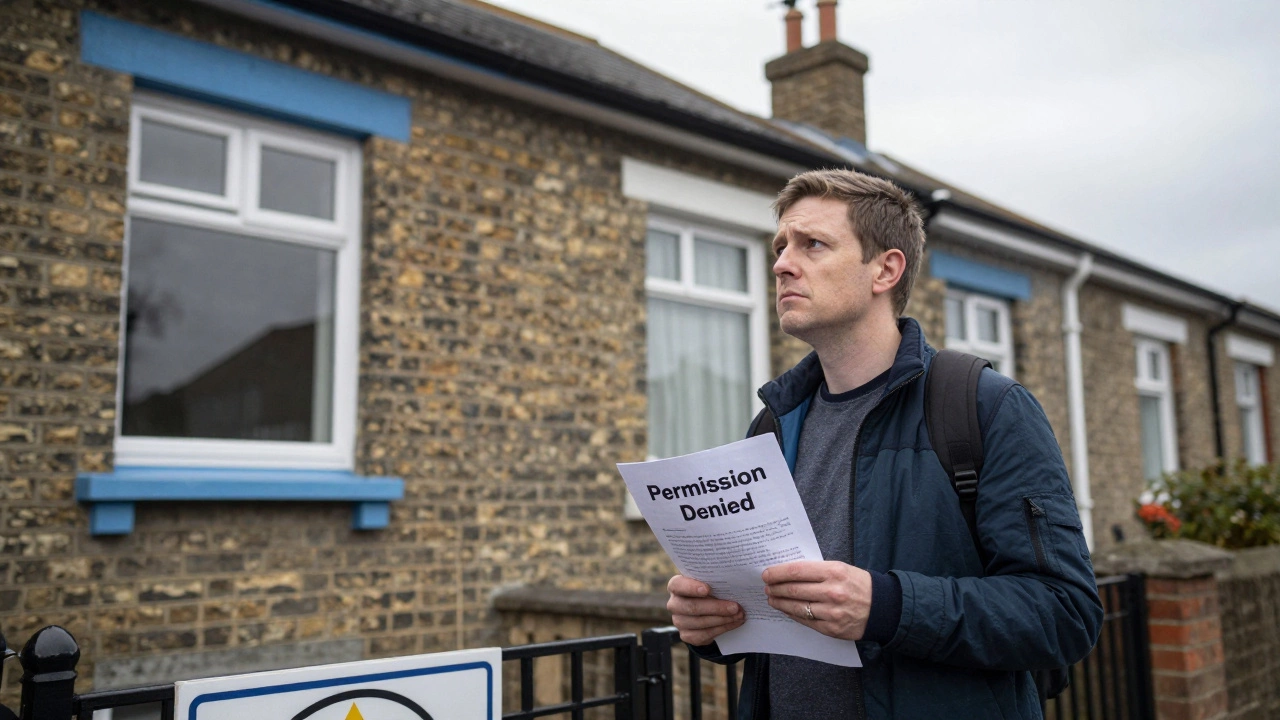
And if you ever want to sell? You’re not in control. The housing association gets first pick. They can refuse your buyer, delay the sale, or even force you to accept their preferred buyer at a lower price. You also can’t make major changes without permission. Want to knock down a wall? Install solar panels? Replace the kitchen? You need approval—and they might say no.
Joint ownership adds another layer of trouble. If you’re sharing with a partner and things go south, dividing the property isn’t like splitting a bank account. You’re tied to a lease, a housing association, and possibly a co-owner you no longer trust. Legal battles over shared ownership can drag on for years, and courts don’t always side with the person who paid more.
There’s also the long-term impact on your finances. Lenders see shared ownership as higher risk. That means lower loan-to-value ratios, higher interest rates, and fewer mortgage options down the line. Even if you eventually own 100%, your property is still leasehold—which means you’re subject to rules, fees, and potential future changes that freehold owners never face.
It’s not all bad. For some, shared ownership is the only way to own a home. But too many people jump in without understanding the full picture. They think they’re buying a house. They’re really buying a complicated, long-term contract with hidden costs and zero flexibility.
Below, you’ll find real stories and breakdowns from people who’ve been through it—the mistakes they made, the costs they didn’t see coming, and the rules that tripped them up. If you’re considering shared ownership, read these first. You might save yourself thousands, years of stress, and a whole lot of regret.