Is a Zillow Estimate Accurate? What You Really Need to Know
Zillow estimates can be misleading. Learn why they're often inaccurate, when to trust them, and what to do instead to find your home's true market value.
Read MoreWhen you type your address into Zillow, you get a number—the Zillow estimate, an automated valuation model that guesses your home’s worth based on public data and nearby sales. Also known as a Zestimate, it’s not a professional appraisal. It’s a rough guess, often off by 5% to 20%, and sometimes way more. Many people treat it like gospel, but it’s really just a snapshot—no inspector, no walk-through, no knowledge of your renovation or leaky roof.
What goes into a Zillow estimate? Public records like square footage, number of bedrooms, tax assessments, and recent sales in your neighborhood. But it doesn’t know if your kitchen was redone last year, if your backyard floods every spring, or if your street just got a new park. It also can’t tell the difference between a well-maintained home and one that’s falling apart. That’s why two identical-looking houses next door can have wildly different Zillow numbers. And if your area has few recent sales, the estimate gets even less reliable.
Real estate agents and appraisers use tools like the comparative market analysis, a detailed review of recently sold homes with similar features—something Zillow can’t replicate. Appraisers visit the property, note condition, upgrades, and even curb appeal. Zillow doesn’t. That’s why lenders won’t accept a Zillow estimate for a mortgage. They need a licensed appraiser. But here’s the thing: you don’t need to ignore it. Use the Zillow estimate as a starting point. If it’s way higher than what your neighbor sold for, question it. If it’s lower than your last offer, maybe it’s time to list. It’s not the truth—it’s a clue.
And don’t forget: Zillow’s numbers affect how buyers see your home. If your Zestimate is $500k but you list at $550k, buyers might think you’re overpriced—even if your home has a new roof, solar panels, and a finished basement. That’s why smart sellers update their home facts on Zillow. Add that extra bathroom. Note the hardwood floors. Correct the square footage. Small updates can nudge the estimate closer to reality.
Below, you’ll find real stories from people who trusted, questioned, or got burned by their Zillow estimate. Some saw their home value jump overnight—only to find out the sale price was half that. Others used it to negotiate a better deal. You’ll see how it plays out in places like North Carolina, Auckland, and beyond—not as a magic number, but as a tool you can actually use.
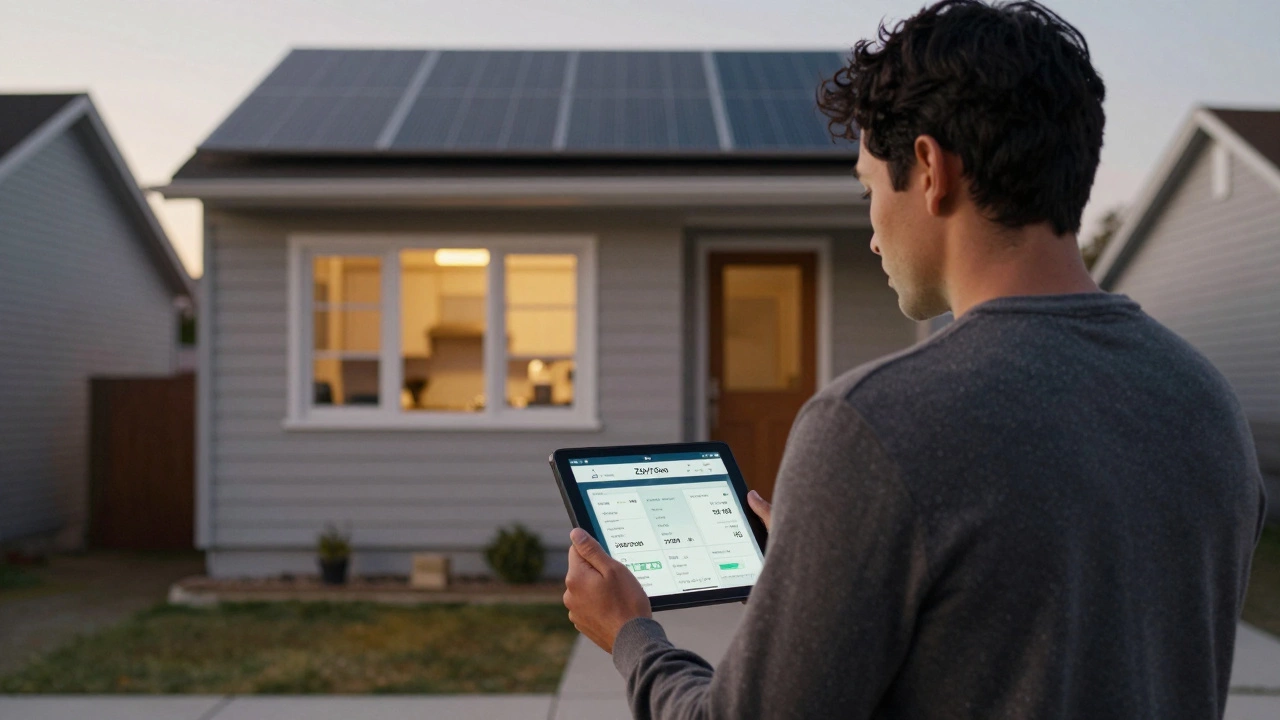
Zillow estimates can be misleading. Learn why they're often inaccurate, when to trust them, and what to do instead to find your home's true market value.
Read More