
Pet-Free Alternative Finder
Find Your Perfect Pet Alternative
Answer a few quick questions to get personalized recommendations for companionship without breaking your lease.
Your Recommendation
If you’re renting and can’t have pets, it doesn’t mean you’re stuck without companionship or joy in your daily life. Many renters face this reality-landlords say no to animals, leases forbid them, or building rules make it impossible. But giving up on having a pet doesn’t mean giving up on connection, comfort, or routine. There are real, practical, and deeply satisfying ways to fill that space.
Understand Why Pets Are Banned
Before you start looking for alternatives, it helps to know why landlords say no. It’s rarely about hating animals. It’s about damage, allergies, noise complaints, and insurance costs. A single chewed-up carpet or a leaky pet door can cost hundreds in repairs. Some buildings have insurance policies that exclude tenants with pets. Others get so many complaints about barking or mess that they ban them outright. Knowing this helps you approach the situation with empathy, not frustration.Adopt a Pet-Free Routine That Feels Meaningful
People who live with pets often describe their days as structured around feeding, walking, or playtime. That rhythm brings calm. You can recreate that without an animal. Start by scheduling small, daily rituals. Walk the same route every morning at 7 a.m., even if you’re alone. Keep a journal where you write one thing you noticed outside-bird song, a blooming tree, a neighbor’s smile. These aren’t just habits. They’re anchors. They give your day shape, and that matters more than you think.Volunteer at a Local Shelter or Rescue
One of the most common regrets among renters without pets is missing the physical connection-petting, cuddling, the warmth of an animal beside you. Volunteering at an animal shelter gives you that. Most shelters need help walking dogs, socializing cats, or just sitting with animals who are scared. You don’t need to adopt to feel needed. At the Eastside Animal Rescue, volunteers spend two hours a week walking dogs. Many say it’s the highlight of their week. You get touch, purpose, and quiet companionship without the long-term responsibility or lease violations.Try Robot Pets or Interactive Tech
Technology has come a long way. The AIBO robot dog, made by Sony, doesn’t need walks or vet bills. It learns your voice, responds to petting, and even shows mood changes-wagging its tail when happy, resting when tired. It costs around $2,500, but you can find older models on resale sites for under $800. For less money, there are cat-like robots like Joy for All’s Companion Pet, which purrs and responds to touch. These aren’t real animals, but for people with mobility issues, allergies, or strict leases, they offer real emotional relief. A 2024 study from the University of Michigan found that seniors using robot pets reported lower stress levels and improved sleep.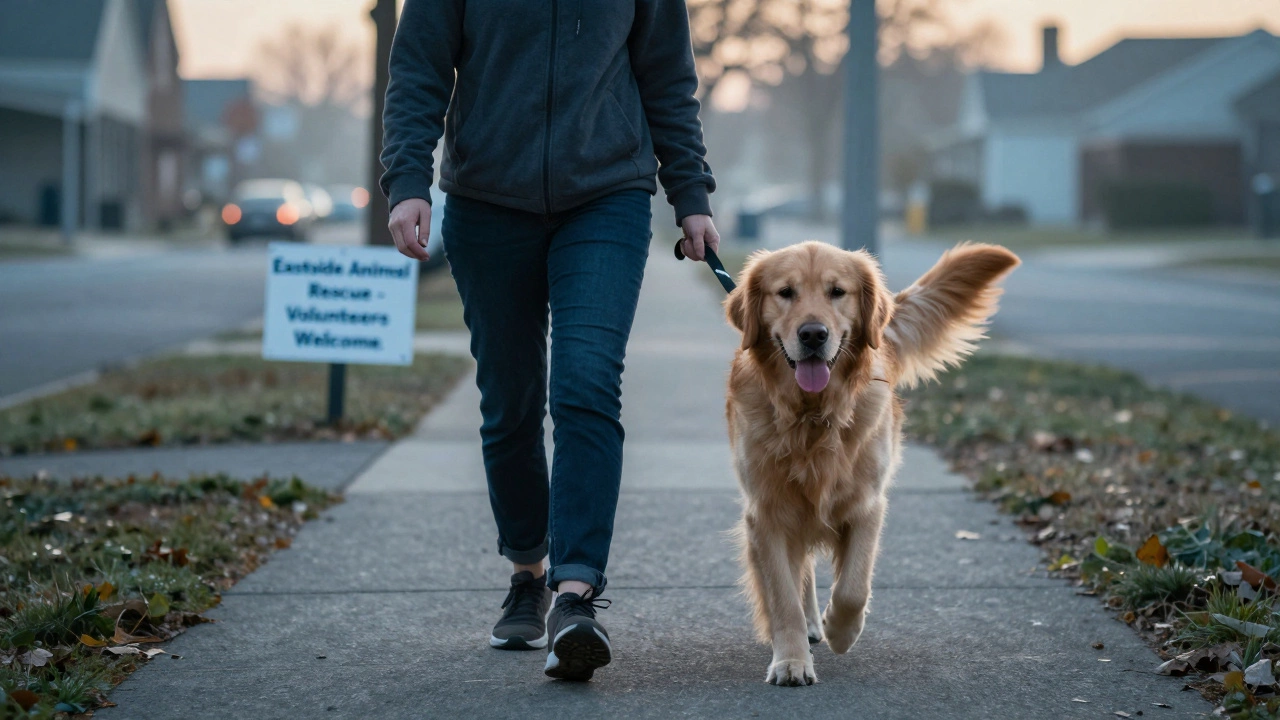
Connect With Other Renters Who Can’t Have Pets
You’re not alone. Online groups like “Pet-Free Renters United” have over 80,000 members. People share tips on how to make apartments feel cozier without fur, how to handle nosy neighbors who ask why they don’t have a dog, and even how to host “pet-free hangouts” with board games or coffee walks. These communities offer validation. When someone says, “I get it,” after you explain you can’t have a cat, it changes how you feel about your situation.Consider a Pet-Sitting or Dog-Walking Side Gig
Want to spend time with animals without breaking your lease? Sign up on Rover or Wag. You can walk dogs for an hour a day, or sit for a cat while owners are away. It’s flexible, pays well-often $15-$25 an hour-and you don’t have to bring the animal home. You get the joy of interaction without the mess, the vet bills, or the landlord’s permission. Many renters use this as a way to stay connected to animals while staying compliant.Adopt a Plant-or a Collection of Them
Plants don’t bark, don’t shed, and don’t require permission slips. But they respond to care. A snake plant thrives on neglect. A fiddle-leaf fig thrives on attention. Caring for plants gives you the same sense of responsibility and reward as caring for a pet. One renter in Portland told me she started with three succulents. Now she has 27. She names them. She talks to them. She moves them to the sunniest window like they’re family. She says they’re the reason she wakes up early. Plants don’t replace pets, but they can fill the same emotional space-with zero risk of a security deposit deduction.
Explore Pet-Friendly Housing Options
It’s not all bad news. More landlords are opening up. In 2025, 32% of rental listings in major U.S. cities now allow pets, up from 19% in 2020. Some let you pay a pet deposit or monthly pet rent. Others allow small animals only-fish, hamsters, or birds. Check Zillow or Apartments.com filters for “pet-friendly.” Call landlords directly and ask: “Do you allow any pets, even small ones?” Many say no at first, but if you’re polite and offer to sign a pet addendum, they might change their mind. One tenant in Chicago got approval for a guinea pig by offering to pay $50 extra per month and providing proof of vet visits.Reframe Your Thinking: No Pet Doesn’t Mean Less Life
The biggest myth is that pets are the only source of unconditional love. They’re not. Friends, books, music, art, even the quiet hum of a coffee shop can bring comfort. One woman in Seattle lost her dog to old age and felt lost. She started painting every Sunday. She joined a choir. She began volunteering at a community garden. Three years later, she says, “I didn’t replace him. I expanded my life.” That’s the real goal-not finding a substitute pet, but finding new ways to feel whole.What to Avoid
Don’t sneak a pet in. Even a tiny hamster can lead to eviction, fines, or a black mark on your rental history. Landlords use pest inspectors, smell tests, and neighbor tips. One tenant in Atlanta hid a cat in a closet for six months. When the landlord found out, she lost her deposit, got sued for $1,200 in cleaning, and couldn’t rent anywhere else for a year. It’s not worth it.Final Thought: Your Space Is Still Yours
You can still make your rental feel like home. Hang photos of animals you’ve loved. Play calming nature sounds. Light a candle that smells like rain on fur. These small things matter. They remind you that love doesn’t need paws to exist. And sometimes, the quietest homes hold the deepest peace.Can I get in trouble for having a pet in a no-pets rental?
Yes. If your lease says no pets and you have one, your landlord can issue a notice to remove the animal, charge you for damages, or even start eviction proceedings. Many landlords use smell tests, pest inspections, or neighbor reports to find hidden pets. Even small animals like hamsters or fish can trigger penalties.
Are there any pets allowed in no-pet rentals?
Some landlords allow fish in small tanks, reptiles like geckos, or birds in cages-if they’re quiet and don’t cause damage. Always ask first. Some landlords permit service animals or emotional support animals under federal law, but you’ll need official documentation. Don’t assume you can sneak one in.
How can I find pet-friendly rentals?
Use filters on Zillow, Apartments.com, or Rent.com labeled “pet-friendly.” Call landlords directly and ask if they allow small pets or charge pet rent. In 2025, over a third of rentals in big cities allow pets. Some require a one-time fee or monthly payment, but it’s often cheaper than dealing with eviction.
What are the best alternatives to pets for renters?
Volunteering at animal shelters, walking dogs for others via Rover, keeping plants, using robot pets like AIBO, or joining pet-free renter communities are all proven ways to stay connected without breaking your lease. Many people find these options more sustainable and less stressful than hiding a pet.
Do robot pets really help with loneliness?
Yes. Studies from the University of Michigan and the American Psychological Association show that robot pets reduce stress, improve sleep, and provide emotional comfort-especially for people who can’t have real animals due to allergies, space, or rental rules. They don’t replace a dog or cat, but they offer real companionship without the mess.