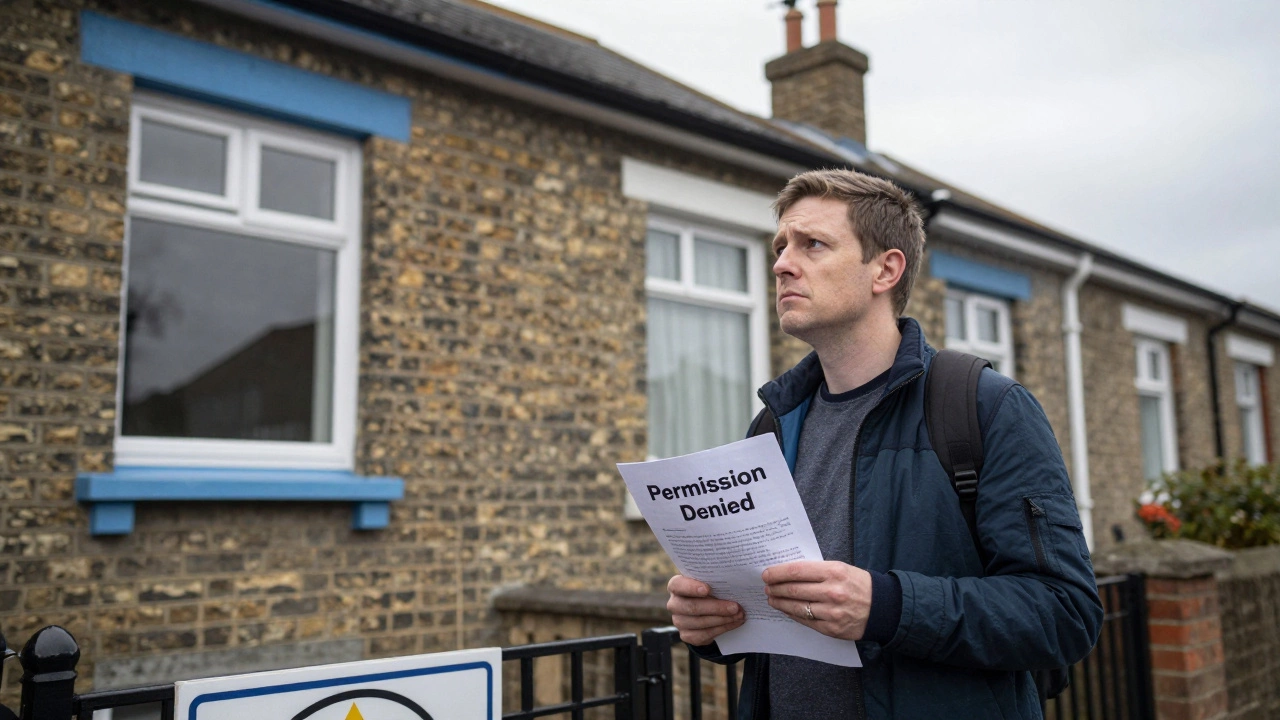
Staircasing Problems: Why Buying More of Your Home Isn't Always Simple
When you buy a home through shared ownership, a government-backed scheme where you buy a portion of a property and pay rent on the rest. Also known as part-buy, part-rent, it's meant to help people get on the property ladder without a full mortgage. But the real challenge doesn’t come at the start—it comes later, when you try to staircase, the process of buying more shares in your home over time to eventually own it outright. Also known as increasing your equity stake, it sounds straightforward until you hit the walls. Many people think staircasing is just a matter of saving up and calling their housing association. It’s not. It’s a maze of valuation fees, legal costs, rent hikes, and surprise leasehold traps.
One of the biggest staircasing problems, the hidden financial and legal hurdles that make buying more shares harder than expected. Also known as equity purchase barriers, it often shows up when your home’s value jumps and you’re forced to pay more than you planned. You might think you’re buying 10% more, but the valuation isn’t based on what you paid five years ago—it’s based on today’s inflated market price. That means your 10% could cost you £20,000 instead of £10,000. And that’s before you pay the surveyor, solicitor, and lender fees. Some people end up paying more in fees than they do in extra mortgage payments.
Then there’s the leasehold, the legal structure that governs most shared ownership homes and often locks buyers into unfair terms. Also known as long-term property tenure, it’s the root of many frustrations. Unlike freehold owners, you don’t control your own property. You’re stuck with service charges, ground rent increases, and restrictions on renovations or subletting. And if your housing association changes its policy? You have little say. Some leases even require you to pay rent on the portion you’ve already bought—yes, that’s real. And it keeps growing.
People also don’t realize that staircasing can mess with their ability to get a new mortgage. Lenders don’t always understand shared ownership. They might refuse to lend because the property isn’t fully owned, or they’ll charge higher rates because they see it as risky. If you’ve been renting part of your home for years, your credit file might not reflect the full picture. You’re not a landlord. You’re not a full homeowner. You’re in between—and banks hate in-between.
And what about when you want to sell? If you’ve only bought 50% of your home, you can’t just list it on Rightmove. You have to go through your housing association. They get first pick. They might not want to buy it back. Or they might offer you half of what you think it’s worth. Meanwhile, the rent on the other half keeps climbing. You’re stuck paying more for less control.
There’s also the emotional toll. You start thinking you’re building wealth, but you’re actually paying rent on the part you don’t own. You’re saving for a share you can’t fully access. You’re fixing up a home you don’t completely own. And when you finally reach 100%, you realize you’ve spent years paying twice—once in rent, once in mortgage—for the privilege of owning what should’ve been yours all along.
These aren’t edge cases. They’re everyday stories from people who trusted the system. The government promotes shared ownership as a path to homeownership. But the fine print? It’s written to protect the housing association, not you. Staircasing isn’t a ladder. It’s a treadmill. And if you don’t know the rules, you’ll run forever without moving forward.
Below, you’ll find real stories from people who’ve been through it—the hidden fees, the legal traps, the moments they realized they’d been misled. No fluff. No marketing spin. Just what actually happens when you try to buy more of your home.