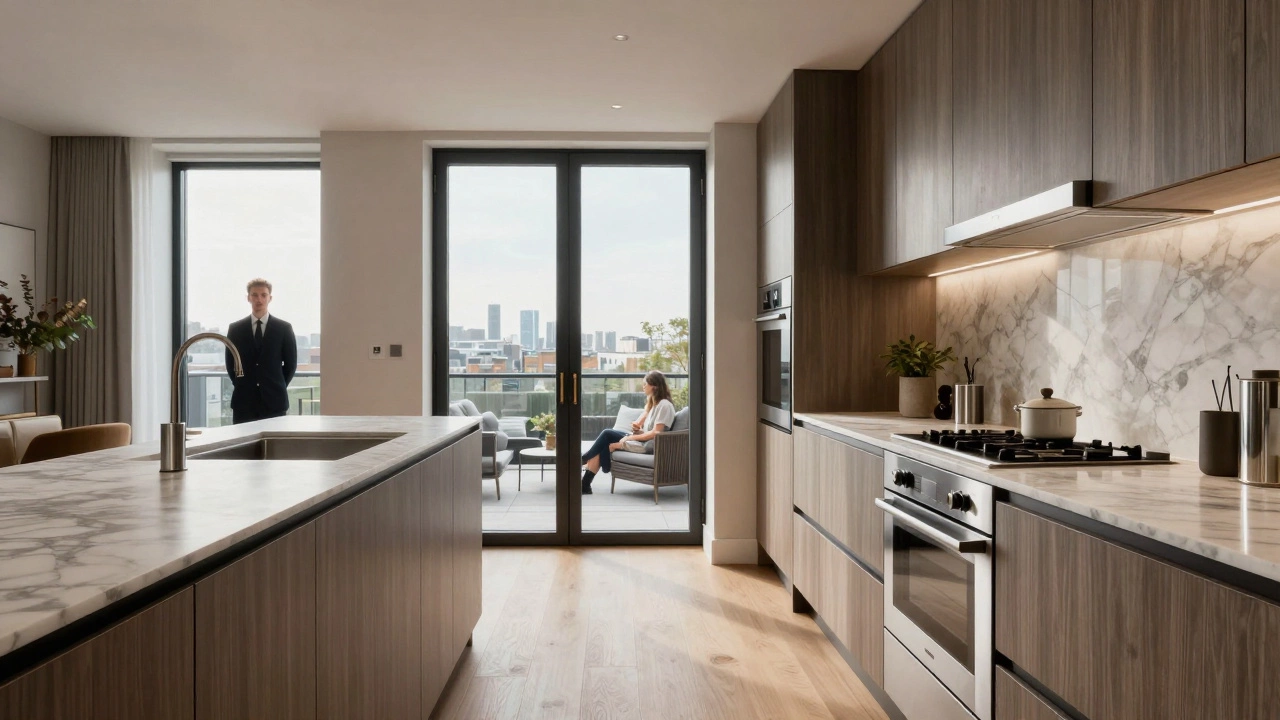
Premium Apartments: What Makes Them Different and Who Really Buys Them
When people talk about premium apartments, high-end residential units designed for comfort, security, and convenience, often with professional management and exclusive services. Also known as luxury apartments, they’re not just about square footage or views—they’re about how much easier daily life becomes. You won’t find these in every neighborhood. They’re in buildings with 24/7 concierge service, secure entry systems, fitness centers that actually work, and rooftop lounges where you can actually relax without hearing your neighbor’s TV.
What drives someone to choose a premium apartment, a type of upscale residence that combines high-end finishes with managed living and curated amenities over a traditional house? It’s not status. It’s time. People who live in these spaces are often busy professionals, remote workers, or empty nesters who don’t want to deal with lawn care, plumbing emergencies, or snow removal. They want control over their environment—quiet hallways, noise-reducing walls, and a doorman who knows their name. These aren’t just homes; they’re systems designed to reduce friction in everyday life. And that’s why they’re growing faster in cities like London, Manchester, and Edinburgh—not because people want to show off, but because they’re tired of wasting energy on things that don’t matter.
Related to this are exclusive amenities, special features like private gyms, pet spas, wine rooms, or co-working lounges that come standard in premium apartments but are rare in standard rentals. These aren’t gimmicks. They’re practical upgrades. Think about it: if you can skip the gym membership because your building has a top-tier one, or avoid the hassle of finding dog daycare because there’s a pet-washing station on-site, that’s real value. And then there’s the security—biometric access, monitored parking, and on-site staff who notice when something’s off. That kind of safety doesn’t come cheap, but for many, it’s worth more than the extra square footage you’d get in a house.
It’s also worth noting that upscale residences, properties built or renovated to meet high standards of design, materials, and service, often targeting investors and high-income residents aren’t just for the ultra-rich. More and more, they’re bought by people using shared ownership schemes or buy-to-let investors who see them as lower-maintenance assets. These buildings hold value better, rent faster, and attract higher-quality tenants. That’s why you’ll see more of them popping up near transit hubs and business districts—not because developers are chasing luxury trends, but because the market demands reliability.
What you’ll find in the posts below isn’t a list of flashy photos or overpriced listings. It’s the real talk: why people actually choose these spaces, what hidden costs come with them, how they compare to traditional homes, and whether they’re a smart move for someone like you. No fluff. No hype. Just the facts behind the glass and steel.